by Andy Huffman | Jun 11, 2026 | Storm Damage & Insurance
An actively leaking roof is a home emergency. Water entering your home causes damage that compounds quickly — wet insulation, mold growth, damaged drywall, and in severe cases structural damage. Acting quickly and correctly minimizes the damage.
Here’s exactly what to do.
In the First 30 Minutes
1. Protect your interior first.
Move furniture and belongings away from the leak area. Place buckets, pots, or trash cans to catch active dripping. Lay plastic sheeting or tarps on floors and furniture that can’t be moved. If water is reaching electrical fixtures or outlets, turn off the circuit breaker for that area and do not use those outlets until the situation is resolved.
2. Contain the water source if you can safely reach it.
If water is pooling on your ceiling and the ceiling is sagging, the pooled water is putting pressure on the drywall that could cause a sudden failure. Create a small hole in the lowest point of the bulge to allow controlled drainage rather than a sudden collapse. This sounds counterintuitive but prevents larger damage.
3. Document everything.
Take photos and video of all interior water damage — ceiling, walls, flooring, affected belongings. This documentation is critical for your insurance claim. Time-stamp everything.
4. Call Alamo at (219) 248-2194 — 24/7 emergency response.
We serve Lake County, Porter County, and northern Illinois with 24/7 emergency response. We can reach most of our service area within 30-60 minutes and provide emergency tarping to stop water entry while permanent repairs are planned.
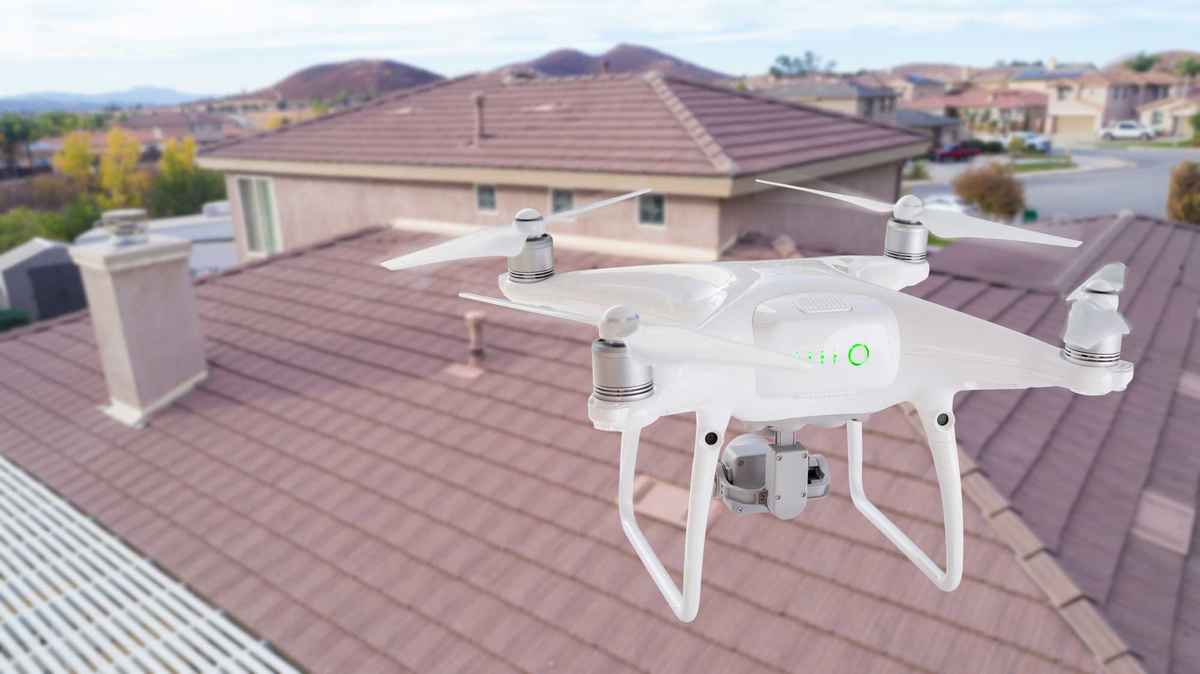
Professional inspection ensures no damage goes undetected
What NOT to Do
Do not climb on a wet roof. This is the most important safety point. Wet roofs — especially after rain or during a storm — are extremely dangerous. Roofing professionals use specific fall protection equipment. Homeowners attempting to get on a wet roof sustain serious injuries every year.
Do not attempt permanent repairs in dangerous conditions. Emergency tarping to stop water entry is appropriate. Attempting to nail down shingles or seal flashing during active rain or on a slippery surface is not.
Do not use a shop vac on ceiling water without checking for electrical hazards. If the area near the leak has any electrical components, treat the water as potentially electrically charged until the circuit is confirmed off.
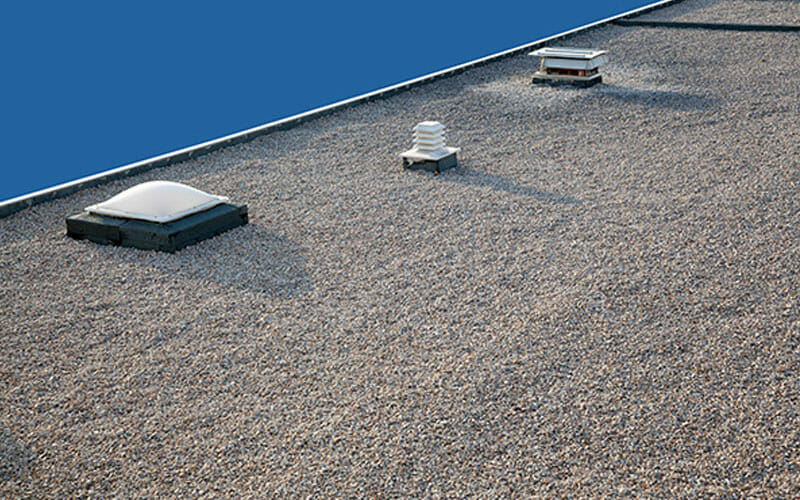
Quality materials and expert installation make the difference
Emergency Tarping — What It Is and When It’s Needed
Emergency tarping involves covering the compromised area of your roof with heavy-duty poly tarps weighted and secured to prevent wind lift. It’s a temporary measure — not a repair — but it stops water infiltration while permanent repairs are planned and scheduled.
When tarping is appropriate:
💡 Pro Tip
Schedule a professional inspection within 30 days of any major storm. Early detection prevents costly repairs down the road.
- Active leak with significant water entry
- Storm-related damage that creates a large opening
- Fallen tree or limb through the roof
- Major shingle blow-off exposing the deck
Keep receipts for any emergency tarping materials you purchase — these costs are typically reimbursable under your homeowners insurance as necessary mitigation expenses.
Alamo Roofing serves Lake County, Porter County & northern Illinois
After the Emergency — Next Steps
Once the immediate water entry is controlled:
- Contact your insurance company to open a claim. Get a claim number.
- Schedule a professional damage assessment — Alamo will document all damage with drone photography for your insurance claim.
- Get permanent repair or replacement scheduled — we’ll provide a written estimate and work with your adjuster.
How Fast Can Alamo Respond?
From our Portage, Indiana base:
- Crown Point, Schererville, Munster, Hammond, Hobart, Portage: 15-25 minutes
- Valparaiso, Chesterton, Michigan City: 25-45 minutes
- Lansing, South Holland, Chicago Heights, Oak Lawn: 30-45 minutes
- New Lenox, Mokena, Joliet, Lockport: 45-60 minutes
For a roofing emergency, call (219) 248-2194 any time — day or night.
Ready for Your Free Roof Inspection?
Call us at (219) 248-2194 or book online below.
Mon–Fri 9AM–5PM | Sat 9AM–3PM | 24/7 Emergency Storm Response
Schedule Your Free Roof Inspection
Get Your Free Roof Inspection
Free drone inspections across Lake County, Porter County & northern Illinois. Honest assessments — repair, replace, or no action needed.
(219) 248-2194
Book Online
Mon–Fri 9AM–5PM · Sat 9AM–3PM · 24/7 Emergency Storm Response
Schedule Your Free Roof Inspection
by Andy Huffman | Apr 27, 2026 | Storm Damage & Insurance
How to File a Roof Insurance Claim in Indiana — Step by Step
Filing a roof insurance claim in Indiana doesn’t have to be stressful — but it does have to be done right. Every year, thousands of Lake County and Porter County homeowners leave money on the table because they don’t know the process, accept the first settlement offer, or wait too long to file. This guide walks you through every step.
Step 1 — Call a Licensed Roofing Contractor Before You Call Your Insurance Company
This is the step most homeowners skip — and it costs them. Insurance adjusters work for the insurance company. Their job is to assess damage accurately, but they’re under pressure to close files quickly. A licensed contractor who inspects your roof first can document every impact, lifted shingle, damaged flashing, and dented vent before anything is touched.
Alamo Roofing provides free drone inspections for all storm damage assessments. Our inspection report becomes the foundation of your claim — and it consistently results in higher settlements than homeowners who let the adjuster’s assessment stand alone.
Step 2 — Document Everything Immediately After the Storm
Before anyone touches your roof:
– Walk your entire property and photograph all damage from ground level
– Video everything — walk slowly and narrate what you see
– Photograph damaged gutters, siding, windows, vents, and any interior water damage
– Note the exact date, time, and storm conditions
– Pull the official storm report from weather.gov for your county and date — this is supporting evidence for your claim
Timestamped photos are your most valuable insurance claim asset.
Step 3 — Prevent Further Damage (Save Every Receipt)
Indiana homeowners insurance policies require you to take reasonable steps to prevent additional damage after a storm. This means:
– Place buckets under active leaks
– Request emergency tarping from your contractor
– Cover broken windows
Keep all receipts — emergency mitigation costs are typically reimbursable under your policy.
Step 4 — File Your Claim Promptly
Contact your insurance company within 24-48 hours of discovering damage. Have ready:
– Your policy number
– Date and time of the storm
– Brief description of visible damage
– A claim number request and your adjuster’s direct contact
Indiana law requires insurers to acknowledge your claim promptly and begin investigation within a reasonable timeframe.
Step 5 — Understand Your Policy Before the Adjuster Arrives
Two things matter most:
RCV vs ACV:
– RCV (Replacement Cost Value) pays for a new roof of similar quality with no depreciation deduction
– ACV (Actual Cash Value) subtracts depreciation — a 10-year-old roof may only pay half the replacement cost
Check your Policy Declarations Page to find out which you have.
Your Deductible:
Standard deductibles run $500–$2,500. Some Indiana policies have separate, higher wind/hail deductibles expressed as a percentage of your home’s insured value. A $300,000 home with a 2% wind/hail deductible means $6,000 out of pocket before insurance pays.
Step 6 — Be Present During the Adjuster’s Inspection
Never let an adjuster inspect without you. Walk every inch of the property with them. Point out every area of documented damage. Ask them to write down everything they observe and request their written scope of damage before they leave.
What to say:
– “This gutter was perfectly straight before the storm — these dents are hail impact marks.”
– “Can you document this flashing damage on your report?”
What not to say:
– Don’t estimate your roof’s age unless you’re certain
– Don’t say damage was pre-existing unless you know for certain
Step 7 — Compare the Adjuster’s Estimate to Your Contractor’s Estimate
Common items adjusters miss or undervalue:
– Ice and water shield replacement
– Starter strip shingles
– Ridge cap replacement
– Drip edge replacement
– Pipe boot replacements
– Code upgrade requirements
– Proper disposal and debris removal costs
If the adjuster’s estimate is lower than Alamo’s estimate — which is common — we file a formal supplement on your behalf at no charge.
Step 8 — Collect Your Recoverable Depreciation (RCV Policies)
With an RCV policy, you receive two checks:
1. First check: The depreciated (ACV) value — issued immediately after approval
2. Second check: The recoverable depreciation — issued after you complete repairs and submit proof
You must complete the repairs and submit documentation to receive the second check. There’s typically a 180-day to 2-year window. Don’t wait.
How Alamo Handles Insurance Claims for Lake County and Porter County Homeowners
We’ve helped hundreds of Northwest Indiana homeowners navigate this process since 2017. Our service is completely free — we get paid when we do the roofing work. What we do:
– Free drone inspection and damage documentation
– Written damage report formatted for insurance submission
– Present with you during the adjuster’s inspection
– Prepare and submit supplemental claims when needed
– Advocate for a full and fair settlement
Ready to get started? Call us at (219) 224-2636 or schedule your free inspection.
About Alamo Roofing Contractors
Alamo Roofing Contractors is a GAF Master Elite certified roofing contractor serving Northwest Indiana and northern Illinois since 2017. Based in Portage, Indiana, we serve Lake County, Porter County, LaPorte County, Cook County, Will County, and DuPage County with residential and commercial roofing, siding, gutters, and exterior services.
[Schedule Your Free Estimate] → [https://api.leadconnectorhq.com/widget/booking/DKc0HhICa64zXLn8XJtX]
[Call (219) 224-2636] → tel:+12192242636
Mon–Fri 9AM–5PM | Sat 9AM–3PM | 24/7 Emergency Storm Response
by Andy Huffman | Apr 27, 2026 | Storm Damage & Insurance
How to File a Roof Insurance Claim in Indiana — Step by Step
Filing a roof insurance claim in Indiana doesn’t have to be stressful — but it does have to be done right. Every year, thousands of Lake County and Porter County homeowners leave money on the table because they don’t know the process, accept the first settlement offer, or wait too long to file. This guide walks you through every step.
Step 1 — Call a Licensed Roofing Contractor Before You Call Your Insurance Company
This is the step most homeowners skip — and it costs them. Insurance adjusters work for the insurance company. Their job is to assess damage accurately, but they’re under pressure to close files quickly. A licensed contractor who inspects your roof first can document every impact, lifted shingle, damaged flashing, and dented vent before anything is touched.
Alamo Roofing provides free drone inspections for all storm damage assessments. Our inspection report becomes the foundation of your claim — and it consistently results in higher settlements than homeowners who let the adjuster’s assessment stand alone.
Step 2 — Document Everything Immediately After the Storm
Before anyone touches your roof:
– Walk your entire property and photograph all damage from ground level
– Video everything — walk slowly and narrate what you see
– Photograph damaged gutters, siding, windows, vents, and any interior water damage
– Note the exact date, time, and storm conditions
– Pull the official storm report from weather.gov for your county and date — this is supporting evidence for your claim
Timestamped photos are your most valuable insurance claim asset.
Step 3 — Prevent Further Damage (Save Every Receipt)
Indiana homeowners insurance policies require you to take reasonable steps to prevent additional damage after a storm. This means:
– Place buckets under active leaks
– Request emergency tarping from your contractor
– Cover broken windows
Keep all receipts — emergency mitigation costs are typically reimbursable under your policy.
Step 4 — File Your Claim Promptly
Contact your insurance company within 24-48 hours of discovering damage. Have ready:
– Your policy number
– Date and time of the storm
– Brief description of visible damage
– A claim number request and your adjuster’s direct contact
Indiana law requires insurers to acknowledge your claim promptly and begin investigation within a reasonable timeframe.
Step 5 — Understand Your Policy Before the Adjuster Arrives
Two things matter most:
RCV vs ACV:
– RCV (Replacement Cost Value) pays for a new roof of similar quality with no depreciation deduction
– ACV (Actual Cash Value) subtracts depreciation — a 10-year-old roof may only pay half the replacement cost
Check your Policy Declarations Page to find out which you have.
Your Deductible:
Standard deductibles run $500–$2,500. Some Indiana policies have separate, higher wind/hail deductibles expressed as a percentage of your home’s insured value. A $300,000 home with a 2% wind/hail deductible means $6,000 out of pocket before insurance pays.
Step 6 — Be Present During the Adjuster’s Inspection
Never let an adjuster inspect without you. Walk every inch of the property with them. Point out every area of documented damage. Ask them to write down everything they observe and request their written scope of damage before they leave.
What to say:
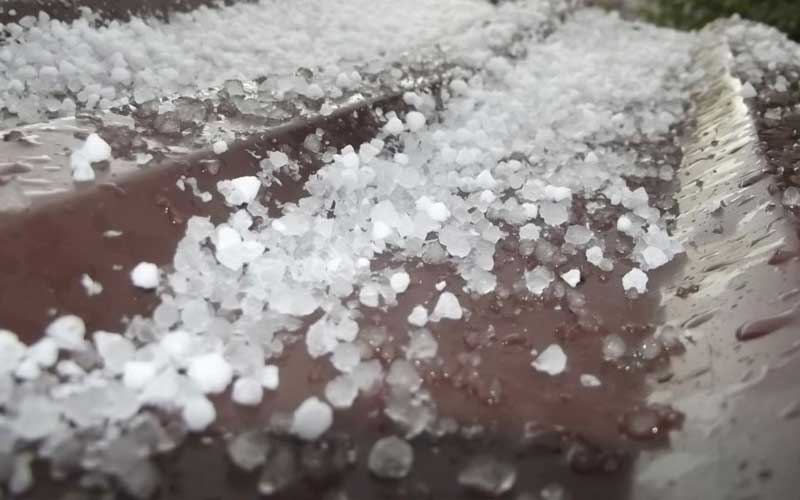
– “This gutter was perfectly straight before the storm — these dents are hail impact marks.”
– “Can you document this flashing damage on your report?”
What not to say:
– Don’t estimate your roof’s age unless you’re certain
– Don’t say damage was pre-existing unless you know for certain
Step 7 — Compare the Adjuster’s Estimate to Your Contractor’s Estimate
Common items adjusters miss or undervalue:
– Ice and water shield replacement
– Starter strip shingles
– Ridge cap replacement
– Drip edge replacement
– Pipe boot replacements
– Code upgrade requirements
– Proper disposal and debris removal costs
If the adjuster’s estimate is lower than Alamo’s estimate — which is common — we file a formal supplement on your behalf at no charge.
Step 8 — Collect Your Recoverable Depreciation (RCV Policies)
With an RCV policy, you receive two checks:
1. First check: The depreciated (ACV) value — issued immediately after approval
2. Second check: The recoverable depreciation — issued after you complete repairs and submit proof
You must complete the repairs and submit documentation to receive the second check. There’s typically a 180-day to 2-year window. Don’t wait.
How Alamo Handles Insurance Claims for Lake County and Porter County Homeowners
We’ve helped hundreds of Northwest Indiana homeowners navigate this process since 2017. Our service is completely free — we get paid when we do the roofing work. What we do:
– Free drone inspection and damage documentation
– Written damage report formatted for insurance submission
– Present with you during the adjuster’s inspection
– Prepare and submit supplemental claims when needed
– Advocate for a full and fair settlement
Ready to get started? Call us at (219) 224-2636 or schedule your free inspection.
About Alamo Roofing Contractors
Alamo Roofing Contractors is a GAF Master Elite certified roofing contractor serving Northwest Indiana and northern Illinois since 2017. Based in Portage, Indiana, we serve Lake County, Porter County, LaPorte County, Cook County, Will County, and DuPage County with residential and commercial roofing, siding, gutters, and exterior services.
[Schedule Your Free Estimate] → [https://api.leadconnectorhq.com/widget/booking/DKc0HhICa64zXLn8XJtX]
[Call (219) 224-2636] → tel:+12192242636
Mon–Fri 9AM–5PM | Sat 9AM–3PM | 24/7 Emergency Storm Response
by Andy Huffman | Apr 27, 2026 | Storm Damage & Insurance
How to File a Roof Insurance Claim in Indiana — Step by Step
Filing a roof insurance claim in Indiana doesn’t have to be stressful — but it does have to be done right. Every year, thousands of Lake County and Porter County homeowners leave money on the table because they don’t know the process, accept the first settlement offer, or wait too long to file. This guide walks you through every step.
Step 1 — Call a Licensed Roofing Contractor Before You Call Your Insurance Company
This is the step most homeowners skip — and it costs them. Insurance adjusters work for the insurance company. Their job is to assess damage accurately, but they’re under pressure to close files quickly. A licensed contractor who inspects your roof first can document every impact, lifted shingle, damaged flashing, and dented vent before anything is touched.
Alamo Roofing provides free drone inspections for all storm damage assessments. Our inspection report becomes the foundation of your claim — and it consistently results in higher settlements than homeowners who let the adjuster’s assessment stand alone.
Step 2 — Document Everything Immediately After the Storm
Before anyone touches your roof:
– Walk your entire property and photograph all damage from ground level
– Video everything — walk slowly and narrate what you see
– Photograph damaged gutters, siding, windows, vents, and any interior water damage
– Note the exact date, time, and storm conditions
– Pull the official storm report from weather.gov for your county and date — this is supporting evidence for your claim
Timestamped photos are your most valuable insurance claim asset.
Step 3 — Prevent Further Damage (Save Every Receipt)
Indiana homeowners insurance policies require you to take reasonable steps to prevent additional damage after a storm. This means:
– Place buckets under active leaks
– Request emergency tarping from your contractor
– Cover broken windows
Keep all receipts — emergency mitigation costs are typically reimbursable under your policy.
Step 4 — File Your Claim Promptly
Contact your insurance company within 24-48 hours of discovering damage. Have ready:
– Your policy number
– Date and time of the storm
– Brief description of visible damage
– A claim number request and your adjuster’s direct contact
Indiana law requires insurers to acknowledge your claim promptly and begin investigation within a reasonable timeframe.
Step 5 — Understand Your Policy Before the Adjuster Arrives
Two things matter most:
RCV vs ACV:
– RCV (Replacement Cost Value) pays for a new roof of similar quality with no depreciation deduction
– ACV (Actual Cash Value) subtracts depreciation — a 10-year-old roof may only pay half the replacement cost
Check your Policy Declarations Page to find out which you have.
Your Deductible:
Standard deductibles run $500–$2,500. Some Indiana policies have separate, higher wind/hail deductibles expressed as a percentage of your home’s insured value. A $300,000 home with a 2% wind/hail deductible means $6,000 out of pocket before insurance pays.
Step 6 — Be Present During the Adjuster’s Inspection
Never let an adjuster inspect without you. Walk every inch of the property with them. Point out every area of documented damage. Ask them to write down everything they observe and request their written scope of damage before they leave.
What to say:
– “This gutter was perfectly straight before the storm — these dents are hail impact marks.”
– “Can you document this flashing damage on your report?”
What not to say:
– Don’t estimate your roof’s age unless you’re certain
– Don’t say damage was pre-existing unless you know for certain
Step 7 — Compare the Adjuster’s Estimate to Your Contractor’s Estimate
Common items adjusters miss or undervalue:
– Ice and water shield replacement
– Starter strip shingles
– Ridge cap replacement
– Drip edge replacement
– Pipe boot replacements
– Code upgrade requirements
– Proper disposal and debris removal costs
If the adjuster’s estimate is lower than Alamo’s estimate — which is common — we file a formal supplement on your behalf at no charge.
Step 8 — Collect Your Recoverable Depreciation (RCV Policies)
With an RCV policy, you receive two checks:
1. First check: The depreciated (ACV) value — issued immediately after approval
2. Second check: The recoverable depreciation — issued after you complete repairs and submit proof
You must complete the repairs and submit documentation to receive the second check. There’s typically a 180-day to 2-year window. Don’t wait.
How Alamo Handles Insurance Claims for Lake County and Porter County Homeowners
We’ve helped hundreds of Northwest Indiana homeowners navigate this process since 2017. Our service is completely free — we get paid when we do the roofing work. What we do:
– Free drone inspection and damage documentation
– Written damage report formatted for insurance submission
– Present with you during the adjuster’s inspection
– Prepare and submit supplemental claims when needed
– Advocate for a full and fair settlement
Ready to get started? Call us at (219) 224-2636 or schedule your free inspection.
About Alamo Roofing Contractors
Alamo Roofing Contractors is a GAF Master Elite certified roofing contractor serving Northwest Indiana and northern Illinois since 2017. Based in Portage, Indiana, we serve Lake County, Porter County, LaPorte County, Cook County, Will County, and DuPage County with residential and commercial roofing, siding, gutters, and exterior services.
[Schedule Your Free Estimate] → [https://api.leadconnectorhq.com/widget/booking/DKc0HhICa64zXLn8XJtX]
[Call (219) 224-2636] → tel:+12192242636
Mon–Fri 9AM–5PM | Sat 9AM–3PM | 24/7 Emergency Storm Response
by Andy Huffman | Apr 27, 2026 | Storm Damage & Insurance
Filing a roof insurance claim in Indiana doesn’t have to be stressful — but it does have to be done right. Every year, thousands of Lake County and Porter County homeowners leave money on the table because they don’t know the process, accept the first settlement offer, or wait too long to file. This guide walks you through every step.
Step 1 — Call a Licensed Roofing Contractor Before You Call Your Insurance Company
This is the step most homeowners skip — and it costs them. Insurance adjusters work for the insurance company. Their job is to assess damage accurately, but they’re under pressure to close files quickly. A licensed contractor who inspects your roof first can document every impact, lifted shingle, damaged flashing, and dented vent before anything is touched.
Alamo Roofing provides free drone inspections for all storm damage assessments. Our inspection report becomes the foundation of your claim — and it consistently results in higher settlements than homeowners who let the adjuster’s assessment stand alone.
Professional inspection ensures no damage goes undetected
Step 2 — Document Everything Immediately After the Storm
Before anyone touches your roof:
- Walk your entire property and photograph all damage from ground level
- Video everything — walk slowly and narrate what you see
- Photograph damaged gutters, siding, windows, vents, and any interior water damage
- Note the exact date, time, and storm conditions
- Pull the official storm report from weather.gov for your county and date — this is supporting evidence for your claim
Timestamped photos are your most valuable insurance claim asset.
Step 3 — Prevent Further Damage (Save Every Receipt)
Indiana homeowners insurance policies require you to take reasonable steps to prevent additional damage after a storm. This means:
- Place buckets under active leaks
- Request emergency tarping from your contracto
- Cover broken windows
Keep all receipts — emergency mitigation costs are typically reimbursable under your policy.
💡 Pro Tip
Schedule a professional inspection within 30 days of any major storm. Early detection prevents costly repairs down the road.
Step 4 — File Your Claim Promptly
Contact your insurance company within 24-48 hours of discovering damage. Have ready:
- 48 hours of discovering damage. Have ready:
- Your policy numbe
- Date and time of the storm
- Brief description of visible damage
- A claim number request and your adjuster’s direct contact
Indiana law requires insurers to acknowledge your claim promptly and begin investigation within a reasonable timeframe.
Quality materials and expert installation make the difference
Step 5 — Understand Your Policy Before the Adjuster Arrives
Two things matter most:
RCV vs ACV:
– RCV (Replacement Cost Value) pays for a new roof of similar quality with no depreciation deduction
– ACV (Actual Cash Value) subtracts depreciation — a 10-year-old roof may only pay half the replacement cost
Check your Policy Declarations Page to find out which you have.
Your Deductible:
Standard deductibles run $500–$2,500. Some Indiana policies have separate, higher wind/hail deductibles expressed as a percentage of your home’s insured value. A $300,000 home with a 2% wind/hail deductible means $6,000 out of pocket before insurance pays.
Step 6 — Be Present During the Adjuster’s Inspection
Never let an adjuster inspect without you. Walk every inch of the property with them. Point out every area of documented damage. Ask them to write down everything they observe and request their written scope of damage before they leave.
What to say:
– “This gutter was perfectly straight before the storm — these dents are hail impact marks.”
– “Can you document this flashing damage on your report?”
What not to say:
– Don’t estimate your roof’s age unless you’re certain
– Don’t say damage was pre-existing unless you know for certain
Step 7 — Compare the Adjuster’s Estimate to Your Contractor’s Estimate
Common items adjusters miss or undervalue:
- Ice and water shield replacement
- Starter strip shingles
- Ridge cap replacement
- Drip edge replacement
- Pipe boot replacements
- Code upgrade requirements
- Proper disposal and debris removal costs
If the adjuster’s estimate is lower than Alamo’s estimate — which is common — we file a formal supplement on your behalf at no charge.
Alamo Roofing serves Lake County, Porter County & northern Illinois
Step 8 — Collect Your Recoverable Depreciation (RCV Policies)
With an RCV policy, you receive two checks:
1. First check: The depreciated (ACV) value — issued immediately after approval
2. Second check: The recoverable depreciation — issued after you complete repairs and submit proof
You must complete the repairs and submit documentation to receive the second check. There’s typically a 180-day to 2-year window. Don’t wait.
📞 Need Help?
Alamo Roofing provides free drone inspections across Northwest Indiana. Call (219) 248-2194 for a no-obligation assessment.
How Alamo Handles Insurance Claims for Lake County and Porter County Homeowners
We’ve helped hundreds of Northwest Indiana homeowners navigate this process since 2017. Our service is completely free — we get paid when we do the roofing work. What we do:
- we get paid when we do the roofing work. What we do:
- Free drone inspection and damage documentation
- Written damage report formatted for insurance submission
- Present with you during the adjuster’s inspection
- Prepare and submit supplemental claims when needed
- Advocate for a full and fair settlement
Ready to get started? Call us at (219) 248-2194 or schedule your free inspection.
Ready for Your Free Roof Inspection?
Call us at (219) 248-2194 or book online below.
Mon–Fri 9AM–5PM | Sat 9AM–3PM | 24/7 Emergency Storm Response
Schedule Your Free Roof Inspection
Get Your Free Roof Inspection
Free drone inspections across Lake County, Porter County & northern Illinois. Honest assessments — repair, replace, or no action needed.
(219) 248-2194
Book Online
Mon–Fri 9AM–5PM · Sat 9AM–3PM · 24/7 Emergency Storm Response
Schedule Your Free Roof Inspection
by Andy Huffman | Apr 23, 2026 | Storm Damage & Insurance
ACV vs. RCV Roof Insurance — What Every Indiana and Illinois Homeowner Needs to Know
The single most important thing in your homeowners insurance policy for your roof isn’t the coverage amount or the deductible. It’s three letters: ACV or RCV.
Most homeowners have no idea which one they have — until they file a claim and find out the hard way.
What RCV Means (The Good One)
RCV stands for Replacement Cost Value. With an RCV policy, your insurance pays for a new roof of similar quality at today’s prices — with no deduction for your roof’s age or condition.
Example: Your 12-year-old roof is destroyed by hail. A new roof costs $16,000.
With RCV coverage: Insurance pays $16,000 minus your deductible.
You pay: Your deductible only.
RCV policies typically pay in two stages:
1. First check: The ACV (depreciated) value — issued when the claim is approved
2. Second check: The “recoverable depreciation” — issued after you complete repairs and submit proof
You must complete repairs to get the second check. Most RCV claims in Indiana and Illinois have 1-2 years to complete repairs and claim this second payment.
What ACV Means (The Expensive One)
ACV stands for Actual Cash Value. Your insurance pays for what your roof was worth at the time of the loss — accounting for age and depreciation.
Same example: Your 12-year-old roof is destroyed by hail. New roof costs $16,000.
With ACV coverage: Insurance calculates your roof has used about 50% of its life. They pay approximately $8,000 minus your deductible.
You pay: The remaining $8,000+ yourself.
On a 20-year-old roof, ACV coverage may pay almost nothing.
How to Find Out Which You Have
Look at your Policy Declarations Page — the summary document typically at the front of your insurance packet. Look for the words “Replacement Cost” or “Actual Cash Value” under your dwelling coverage section.
If you can’t find it, call your insurance agent and ask directly: “Is my roof covered on a replacement cost basis or actual cash value basis?”
Why More Indiana and Illinois Homeowners Are Getting ACV Than They Realize
Insurance companies have been quietly shifting older roofs to ACV coverage. Many policies now include clauses like:
– “Roofs over 20 years old covered at actual cash value only”
– “Roof coverage based on age of roof at time of loss”
If you haven’t reviewed your policy recently — especially if your roof is 15+ years old — there’s a real chance you’ve been moved to ACV without realizing it.
What to Do If You Have ACV Coverage
Short term: ACV coverage doesn’t mean you’re out of options.
– Alamo’s 0% for 18 months financing can cover the gap between your ACV payout and the full replacement cost
– Some insurance policies allow you to upgrade to RCV coverage by paying a higher premium — ask your agent
Long term: Replace your roof before it ages further. A newer roof is more likely to qualify for RCV coverage. The longer you wait with an aging roof, the worse the ACV calculation gets.
The Deductible Situation in Indiana and Illinois
Even with RCV coverage, your deductible is your out-of-pocket cost. Most standard policies have deductibles of $500-$2,500.
Watch for wind/hail deductibles — separate, higher deductibles specifically for weather damage. Some Indiana and Illinois policies express these as a percentage of your home’s insured value: a $300,000 home with a 2% wind/hail deductible means $6,000 out of pocket before insurance contributes.
Alamo’s 0% for 18 months financing is the most popular way to cover deductibles — many homeowners pay it off within 12 months at zero interest cost.
How Alamo Helps
We review your policy with you at your estimate, help you understand what your insurance should cover, document all damage thoroughly, and work with your adjuster to maximize your settlement — at no charge.
Call (219) 224-2636 if you have questions about your coverage or want a free inspection.
About Alamo Roofing Contractors
Alamo Roofing Contractors is a GAF Master Elite certified roofing contractor serving Northwest Indiana and northern Illinois since 2017. Based in Portage, Indiana, we serve Lake County, Porter County, LaPorte County, Cook County, Will County, and DuPage County with residential and commercial roofing, siding, gutters, and exterior services.
[Schedule Your Free Estimate] → [https://api.leadconnectorhq.com/widget/booking/DKc0HhICa64zXLn8XJtX]
[Call (219) 224-2636] → tel:+12192242636
Mon–Fri 9AM–5PM | Sat 9AM–3PM | 24/7 Emergency Storm Response