by Andy Huffman | Sep 14, 2026 | Storm Damage & Insurance
Your insurance claim has been approved and you understand what your settlement will cover. But the deductible — the amount you pay out of pocket before insurance contributes — still needs to be addressed. Here’s everything you need to know about handling your deductible legally and intelligently in Indiana and Illinois.
What Your Deductible Actually Is
Your deductible is the amount you’re contractually obligated to pay toward a covered claim. It’s subtracted from your insurance settlement before any payment is issued to you.
Example: Your roof replacement costs $16,000. Your deductible is $2,500. Your insurance company pays $13,500. You pay $2,500.
The deductible exists because it discourages minor claims and ensures policyholders have financial skin in the game for every claim.
Professional inspection ensures no damage goes undetected
The Most Important Thing to Know: Contractors Cannot Waive Your Deductible
In both Indiana and Illinois, it is illegal for a roofing contractor to waive, absorb, or “cover” your insurance deductible. This practice — once common in the storm restoration industry — is insurance fraud, and both states have enacted laws specifically prohibiting it.
Indiana: Indiana Code 27-1-15.7 prohibits contractors from advertising or offering to waive insurance deductibles.
Illinois: Illinois law similarly prohibits deductible waiver arrangements between contractors and homeowners.
What this means practically: If a contractor tells you “we’ll waive your deductible” or “you won’t have to pay anything out of pocket,” they’re either describing an illegal arrangement or misrepresenting the situation. Either way, it’s a red flag.
Deductible waiver schemes work by inflating the contractor’s invoice to the insurance company — essentially defrauding the insurer for the deductible amount. This creates legal exposure for both the contractor and potentially the homeowner.
What You CAN Legally Do About Your Deductible
Option 1 — Finance it at 0% for 18 months
Alamo’s 0% for 18 months financing is the most popular way homeowners handle their deductible. Finance just the deductible amount — often $1,000-$2,500 — at zero interest, payable over 18 months.
At $2,500 financed at 0% for 18 months: approximately $139/month. Most homeowners find this very manageable.
💡 Pro Tip
Schedule a professional inspection within 30 days of any major storm. Early detection prevents costly repairs down the road.
Option 2 — Pay cash
If you have the deductible amount available, simply paying it is the cleanest option. No financing cost, no monthly payment.
Option 3 — Use a 0% promotional credit card
If you have access to a 0% APR promotional credit card with a window that covers your payoff timeline, this can work similarly to contractor financing. Know the promotional period end date and have a clear payoff plan.
Option 4 — Home equity
For larger deductibles ($5,000+), a HELOC or home equity loan may offer the lowest interest rate for a longer payoff period. Takes 2-4 weeks to fund — plan accordingly.
Quality materials and expert installation make the difference
Wind/Hail Deductibles — The Hidden Large Deductible Problem
Standard homeowners policies have deductibles of $500-$2,500. But many Indiana and Illinois policies now include separate, higher wind/hail deductibles — sometimes expressed as a percentage of your home’s insured value.
A $300,000 home with a 2% wind/hail deductible means a $6,000 deductible on weather-related claims. This can be a significant surprise for homeowners who haven’t read their policy carefully.
Check your Policy Declarations Page now — before a claim — so you know what your actual deductible exposure is. Look for “wind,” “hail,” or “named storm” deductible language separate from your standard deductible.
Alamo Roofing serves Lake County, Porter County & northern Illinois
The Recoverable Depreciation Connection
On RCV (Replacement Cost Value) policies, your insurance pays in two stages:
1. ACV check upfront
2. Recoverable depreciation check after repairs are completed
The deductible is subtracted from your ACV payment. Your recoverable depreciation comes separately after completion.
📞 Need Help?
Alamo Roofing provides free drone inspections across Northwest Indiana. Call (219) 248-2194 for a no-obligation assessment.
Example: $16,000 replacement, $3,000 ACV depreciation, $2,500 deductible.
– First check: $16,000 – $3,000 (depreciation) – $2,500 (deductible) = $10,500
– Second check after completion: $3,000 recoverable depreciation
Understanding this sequence helps you plan cash flow for the project.
How Alamo Handles the Deductible Conversation
We tell every customer exactly what their deductible is, exactly what it means, and what their legal options are for handling it. We never offer to waive it, absorb it, or work around it.
What we do offer: 0% financing that makes the deductible manageable for virtually every homeowner’s budget.
Ready for Your Free Roof Inspection?
Call us at (219) 248-2194 or book online below.
Mon–Fri 9AM–5PM | Sat 9AM–3PM | 24/7 Emergency Storm Response
Schedule Your Free Roof Inspection
Get Your Free Roof Inspection
Free drone inspections across Lake County, Porter County & northern Illinois. Honest assessments — repair, replace, or no action needed.
(219) 248-2194
Book Online
Mon–Fri 9AM–5PM · Sat 9AM–3PM · 24/7 Emergency Storm Response
Schedule Your Free Roof Inspection
by Andy Huffman | Jul 27, 2026 | Storm Damage & Insurance
If you’ve lived in Northwest Indiana for more than one winter, you already know what lake-effect snow means. Portage, Crown Point, Hammond, and the rest of Lake County and Porter County sit directly in the path of weather systems that cross Lake Michigan and dump concentrated, heavy snow on everything in their path.
What most homeowners don’t realize is how much damage this specific type of winter weather does to roofing systems — damage that often doesn’t show up until spring, and that standard roofing information from outside the region doesn’t fully address.
Why Lake-Effect Snow Is Different
Lake-effect snow isn’t just heavy — it’s wet and dense, with significantly more moisture content than typical winter snowfall. A single lake-effect event can deposit 12-18 inches of this dense, wet snow on your roof in a matter of hours.
The weight load this creates is significant. A typical residential roof is designed to handle 20-40 pounds per square foot of snow load. Wet lake-effect snow weighs roughly 20 pounds per cubic foot — about twice the weight of typical light powder. A foot of wet lake-effect snow on a 2,000 square foot roof can add 20,000-40,000 pounds of load.
For most structurally sound roofs with adequate pitch, this isn’t immediately catastrophic. But it accelerates wear on every component of your roofing system — fasteners, decking, flashing, and shingles.
Professional inspection ensures no damage goes undetected
Ice Dams — The Biggest Lake-Effect Threat
Ice dams form when heat escaping from your living space warms the upper portion of your roof, melting snow that then refreezes at the colder eaves. Over repeated freeze-thaw cycles — which Northwest Indiana experiences dozens of times every winter — ice builds up at your eave line and creates a dam.
Water backing up behind this dam has nowhere to go but under your shingles, into your decking, and eventually into your attic and ceilings. Ice dam damage is one of the most common causes of interior water damage in Lake County and Porter County homes, and one of the most preventable.
How to prevent ice dams:
– Proper attic insulation prevents heat from escaping through your roof deck
– Adequate attic ventilation keeps your roof surface uniformly cold
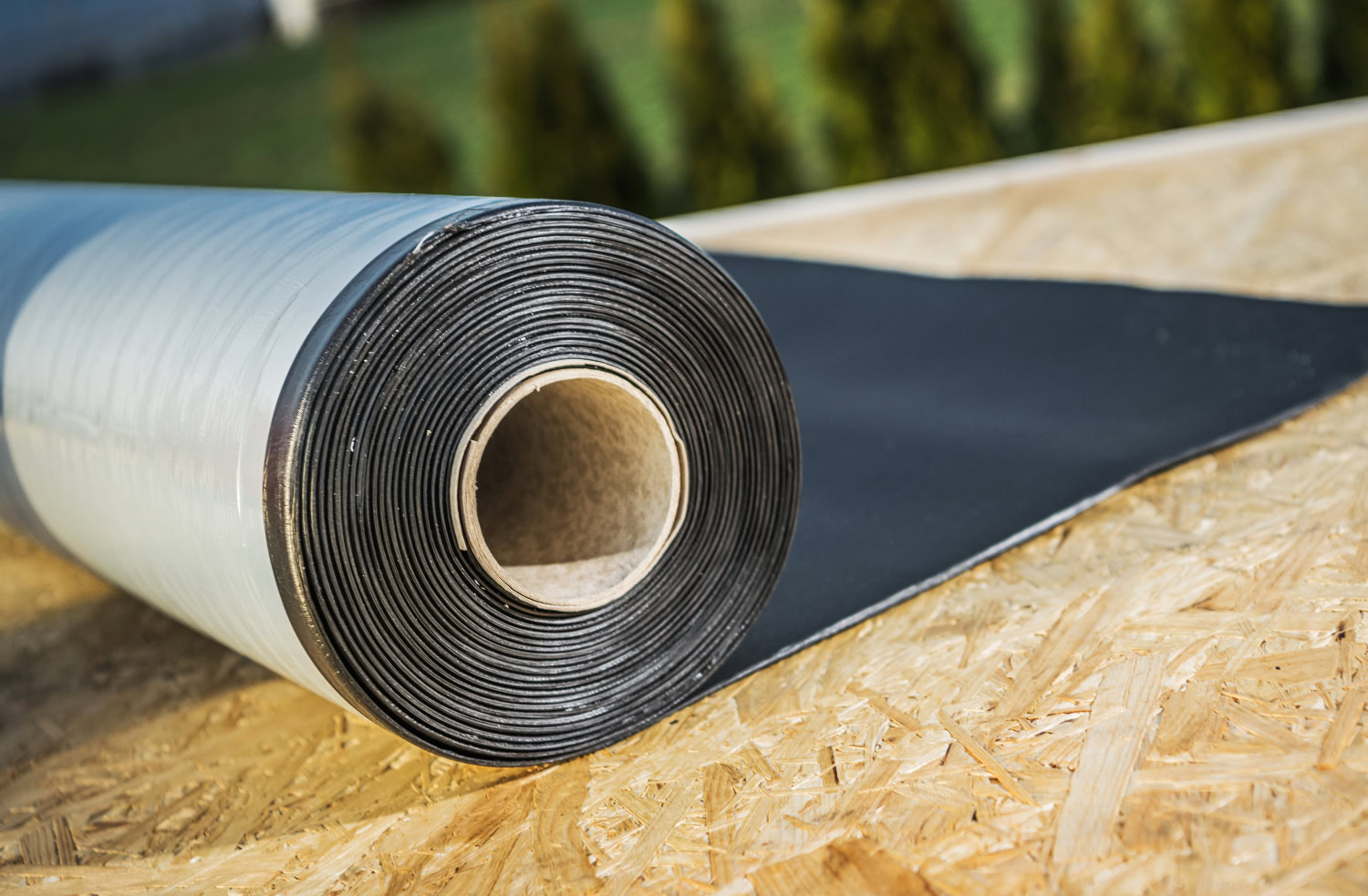
– Ice and water shield membrane installed at eaves and valleys stops water infiltration even if ice backs up
Every Alamo Roofing project includes ice and water shield installation at all eaves and valleys. We also assess attic ventilation on every project — inadequate ventilation is the #1 cause of ice dam formation, and it voids your GAF warranty.
Quality materials and expert installation make the difference
Freeze-Thaw Cycles — The Silent Shingle Killer
Northwest Indiana experiences dramatic temperature swings throughout winter — temperatures can swing 30-40 degrees in a single day during late fall and early spring. This subjects your roofing system to repeated freeze-thaw cycles that accelerate shingle aging.
Here’s the process: Water (from snowmelt or rain) infiltrates tiny cracks in aging shingles. When temperatures drop, that water freezes and expands — widening the crack. When it thaws, the crack is slightly larger. Repeat this 50-60 times over a Northwest Indiana winter and what started as a hairline crack becomes a significant failure point.
💡 Pro Tip
Schedule a professional inspection within 30 days of any major storm. Early detection prevents costly repairs down the road.
This is why shingles installed in lake-effect territory tend to age faster than the same product installed in southern climates. It’s also why high-wind-rated, impact-resistant shingles are particularly valuable here — the thicker construction and superior adhesive strips better resist freeze-thaw deterioration.
Alamo Roofing serves Lake County, Porter County & northern Illinois
What to Do After a Heavy Lake-Effect Snow Event
Don’t climb on your roof. Wet, snowy roofs are extremely dangerous. Instead:
- Look from inside your attic for any new daylight, water stains, or moisture
- Check your ceilings for new water stains or soft spots
- Look at your gutters from ground level — overflowing or sagging gutters indicate ice dam formation
- Schedule a spring inspection — lake-effect winter damage often isn’t visible until snow melts
When to call immediately:
– Active water dripping from ceiling
– Visible sagging in your ceiling or roof line
– Gutters completely separated from fascia under ice load
Preparing Your Roof for Lake-Effect Season
The best time to address roof vulnerabilities is before winter arrives. A fall inspection in September or October can identify:
- Missing or lifting shingles that will allow water infiltration under ice dams
- Inadequate ice and water shield at eaves
- Poor attic ventilation that promotes ice dam formation
- Worn or cracked flashing at penetrations and valleys
Alamo Roofing provides free fall inspection and estimates for Lake County and Porter County homeowners. Call (219) 248-2194 or schedule online to protect your home before lake-effect season begins.
Ready for Your Free Roof Inspection?
Call us at (219) 248-2194 or book online below.
Mon–Fri 9AM–5PM | Sat 9AM–3PM | 24/7 Emergency Storm Response
Schedule Your Free Roof Inspection
Get Your Free Roof Inspection
Free drone inspections across Lake County, Porter County & northern Illinois. Honest assessments — repair, replace, or no action needed.
(219) 248-2194
Book Online
Mon–Fri 9AM–5PM · Sat 9AM–3PM · 24/7 Emergency Storm Response
Schedule Your Free Roof Inspection
by Andy Huffman | Jul 27, 2026 | Storm Damage & Insurance
Lake-Effect Snow and Your Roof — What Northwest Indiana Homeowners Need to Know
If you’ve lived in Northwest Indiana for more than one winter, you already know what lake-effect snow means. Portage, Crown Point, Hammond, and the rest of Lake County and Porter County sit directly in the path of weather systems that cross Lake Michigan and dump concentrated, heavy snow on everything in their path.
What most homeowners don’t realize is how much damage this specific type of winter weather does to roofing systems — damage that often doesn’t show up until spring, and that standard roofing information from outside the region doesn’t fully address.
Why Lake-Effect Snow Is Different
Lake-effect snow isn’t just heavy — it’s wet and dense, with significantly more moisture content than typical winter snowfall. A single lake-effect event can deposit 12-18 inches of this dense, wet snow on your roof in a matter of hours.
The weight load this creates is significant. A typical residential roof is designed to handle 20-40 pounds per square foot of snow load. Wet lake-effect snow weighs roughly 20 pounds per cubic foot — about twice the weight of typical light powder. A foot of wet lake-effect snow on a 2,000 square foot roof can add 20,000-40,000 pounds of load.
For most structurally sound roofs with adequate pitch, this isn’t immediately catastrophic. But it accelerates wear on every component of your roofing system — fasteners, decking, flashing, and shingles.
Ice Dams — The Biggest Lake-Effect Threat
Ice dams form when heat escaping from your living space warms the upper portion of your roof, melting snow that then refreezes at the colder eaves. Over repeated freeze-thaw cycles — which Northwest Indiana experiences dozens of times every winter — ice builds up at your eave line and creates a dam.
Water backing up behind this dam has nowhere to go but under your shingles, into your decking, and eventually into your attic and ceilings. Ice dam damage is one of the most common causes of interior water damage in Lake County and Porter County homes, and one of the most preventable.
How to prevent ice dams:
– Proper attic insulation prevents heat from escaping through your roof deck
– Adequate attic ventilation keeps your roof surface uniformly cold
– Ice and water shield membrane installed at eaves and valleys stops water infiltration even if ice backs up
Every Alamo Roofing project includes ice and water shield installation at all eaves and valleys. We also assess attic ventilation on every project — inadequate ventilation is the #1 cause of ice dam formation, and it voids your GAF warranty.
Freeze-Thaw Cycles — The Silent Shingle Killer
Northwest Indiana experiences dramatic temperature swings throughout winter — temperatures can swing 30-40 degrees in a single day during late fall and early spring. This subjects your roofing system to repeated freeze-thaw cycles that accelerate shingle aging.
Here’s the process: Water (from snowmelt or rain) infiltrates tiny cracks in aging shingles. When temperatures drop, that water freezes and expands — widening the crack. When it thaws, the crack is slightly larger. Repeat this 50-60 times over a Northwest Indiana winter and what started as a hairline crack becomes a significant failure point.
This is why shingles installed in lake-effect territory tend to age faster than the same product installed in southern climates. It’s also why high-wind-rated, impact-resistant shingles are particularly valuable here — the thicker construction and superior adhesive strips better resist freeze-thaw deterioration.
What to Do After a Heavy Lake-Effect Snow Event
Don’t climb on your roof. Wet, snowy roofs are extremely dangerous. Instead:
- Look from inside your attic for any new daylight, water stains, or moisture
- Check your ceilings for new water stains or soft spots
- Look at your gutters from ground level — overflowing or sagging gutters indicate ice dam formation
- Schedule a spring inspection — lake-effect winter damage often isn’t visible until snow melts
When to call immediately:
– Active water dripping from ceiling
– Visible sagging in your ceiling or roof line
– Gutters completely separated from fascia under ice load
Preparing Your Roof for Lake-Effect Season
The best time to address roof vulnerabilities is before winter arrives. A fall inspection in September or October can identify:
– Missing or lifting shingles that will allow water infiltration under ice dams
– Inadequate ice and water shield at eaves
– Poor attic ventilation that promotes ice dam formation
– Worn or cracked flashing at penetrations and valleys
Alamo Roofing provides free fall inspection and estimates for Lake County and Porter County homeowners. Call (219) 224-2636 or schedule online to protect your home before lake-effect season begins.
About Alamo Roofing Contractors
Alamo Roofing Contractors is a GAF Master Elite certified roofing contractor serving Northwest Indiana and northern Illinois since 2017. Based in Portage, Indiana, we serve Lake County, Porter County, LaPorte County, Cook County, Will County, and DuPage County with residential and commercial roofing, siding, gutters, and exterior services.
[Schedule Your Free Estimate] → [https://api.leadconnectorhq.com/widget/booking/DKc0HhICa64zXLn8XJtX]
[Call (219) 224-2636] → tel:+12192242636
Mon–Fri 9AM–5PM | Sat 9AM–3PM | 24/7 Emergency Storm Response
by Andy Huffman | Jul 27, 2026 | Storm Damage & Insurance
Lake-Effect Snow and Your Roof — What Northwest Indiana Homeowners Need to Know
If you’ve lived in Northwest Indiana for more than one winter, you already know what lake-effect snow means. Portage, Crown Point, Hammond, and the rest of Lake County and Porter County sit directly in the path of weather systems that cross Lake Michigan and dump concentrated, heavy snow on everything in their path.
What most homeowners don’t realize is how much damage this specific type of winter weather does to roofing systems — damage that often doesn’t show up until spring, and that standard roofing information from outside the region doesn’t fully address.
Why Lake-Effect Snow Is Different
Lake-effect snow isn’t just heavy — it’s wet and dense, with significantly more moisture content than typical winter snowfall. A single lake-effect event can deposit 12-18 inches of this dense, wet snow on your roof in a matter of hours.
The weight load this creates is significant. A typical residential roof is designed to handle 20-40 pounds per square foot of snow load. Wet lake-effect snow weighs roughly 20 pounds per cubic foot — about twice the weight of typical light powder. A foot of wet lake-effect snow on a 2,000 square foot roof can add 20,000-40,000 pounds of load.
For most structurally sound roofs with adequate pitch, this isn’t immediately catastrophic. But it accelerates wear on every component of your roofing system — fasteners, decking, flashing, and shingles.
Ice Dams — The Biggest Lake-Effect Threat
Ice dams form when heat escaping from your living space warms the upper portion of your roof, melting snow that then refreezes at the colder eaves. Over repeated freeze-thaw cycles — which Northwest Indiana experiences dozens of times every winter — ice builds up at your eave line and creates a dam.
Water backing up behind this dam has nowhere to go but under your shingles, into your decking, and eventually into your attic and ceilings. Ice dam damage is one of the most common causes of interior water damage in Lake County and Porter County homes, and one of the most preventable.
How to prevent ice dams:
– Proper attic insulation prevents heat from escaping through your roof deck
– Adequate attic ventilation keeps your roof surface uniformly cold
– Ice and water shield membrane installed at eaves and valleys stops water infiltration even if ice backs up
Every Alamo Roofing project includes ice and water shield installation at all eaves and valleys. We also assess attic ventilation on every project — inadequate ventilation is the #1 cause of ice dam formation, and it voids your GAF warranty.
Freeze-Thaw Cycles — The Silent Shingle Killer
Northwest Indiana experiences dramatic temperature swings throughout winter — temperatures can swing 30-40 degrees in a single day during late fall and early spring. This subjects your roofing system to repeated freeze-thaw cycles that accelerate shingle aging.
Here’s the process: Water (from snowmelt or rain) infiltrates tiny cracks in aging shingles. When temperatures drop, that water freezes and expands — widening the crack. When it thaws, the crack is slightly larger. Repeat this 50-60 times over a Northwest Indiana winter and what started as a hairline crack becomes a significant failure point.
This is why shingles installed in lake-effect territory tend to age faster than the same product installed in southern climates. It’s also why high-wind-rated, impact-resistant shingles are particularly valuable here — the thicker construction and superior adhesive strips better resist freeze-thaw deterioration.
What to Do After a Heavy Lake-Effect Snow Event
Don’t climb on your roof. Wet, snowy roofs are extremely dangerous. Instead:
- Look from inside your attic for any new daylight, water stains, or moisture
- Check your ceilings for new water stains or soft spots
- Look at your gutters from ground level — overflowing or sagging gutters indicate ice dam formation
- Schedule a spring inspection — lake-effect winter damage often isn’t visible until snow melts
When to call immediately:
– Active water dripping from ceiling
– Visible sagging in your ceiling or roof line
– Gutters completely separated from fascia under ice load
Preparing Your Roof for Lake-Effect Season
The best time to address roof vulnerabilities is before winter arrives. A fall inspection in September or October can identify:
– Missing or lifting shingles that will allow water infiltration under ice dams
– Inadequate ice and water shield at eaves
– Poor attic ventilation that promotes ice dam formation
– Worn or cracked flashing at penetrations and valleys
Alamo Roofing provides free fall inspection and estimates for Lake County and Porter County homeowners. Call (219) 224-2636 or schedule online to protect your home before lake-effect season begins.
About Alamo Roofing Contractors
Alamo Roofing Contractors is a GAF Master Elite certified roofing contractor serving Northwest Indiana and northern Illinois since 2017. Based in Portage, Indiana, we serve Lake County, Porter County, LaPorte County, Cook County, Will County, and DuPage County with residential and commercial roofing, siding, gutters, and exterior services.
[Schedule Your Free Estimate] → [https://api.leadconnectorhq.com/widget/booking/DKc0HhICa64zXLn8XJtX]
[Call (219) 224-2636] → tel:+12192242636
Mon–Fri 9AM–5PM | Sat 9AM–3PM | 24/7 Emergency Storm Response
by Andy Huffman | Jul 20, 2026 | Storm Damage & Insurance
My Roof Insurance Claim Was Denied — What Do I Do Now?
A denied roof insurance claim is frustrating — but it’s not necessarily the end of the road. Denials and underpayments can be successfully appealed, and many homeowners who give up after an initial denial would have received coverage with proper follow-through.
Here’s exactly what to do.
Step 1 — Get the Denial in Writing
If your claim was denied verbally or by phone, request a written denial letter that includes:
– The specific reason for denial
– The exact policy language being cited as the basis for denial
– The claim number and adjuster’s contact information
Insurance companies are required to provide written explanation of claim decisions. This documentation is essential for your appeal.
Step 2 — Understand Why It Was Denied
The most common reasons for roof insurance claim denials:
“Normal wear and tear” — The most common denial reason. Adjusters sometimes classify storm damage as age-related deterioration to avoid coverage. The critical question: was there a specific storm event that caused or accelerated this damage? If yes, this classification may be incorrect.
“Pre-existing damage” — The insurer claims the damage predates your policy or a specific storm event. Countered by: professional documentation of when damage occurred, weather service records for storm dates, and documentation of your roof’s pre-storm condition.
“Maintenance issue” — The insurer claims the damage resulted from lack of maintenance rather than a covered event. Countered by: documentation showing regular maintenance and that the damage pattern is consistent with storm events rather than neglect.
“Outside coverage scope” — Flood damage (requires separate flood policy), damage from tree roots, or gradual deterioration may be genuinely outside coverage. Review your policy carefully.
“Claim filed outside policy period” — Most policies have reporting requirements. If you delayed filing, this may be a legitimate denial basis — though exceptions exist for damage that wasn’t reasonably discoverable.
Step 3 — Get a Second Professional Inspection
If you don’t already have a contractor’s independent damage assessment, get one now. An Alamo drone inspection provides:
– High-resolution photographic documentation of all damage
– Written report identifying damage consistent with storm events
– Professional assessment contradicting an “age/wear” determination where appropriate
– Documentation formatted for insurance appeal use
Our inspection is free and specifically designed to produce usable insurance claim documentation.
Step 4 — File a Formal Appeal
Every insurance policy has an appeal or reconsideration process. With your written denial, contractor’s report, and supporting documentation:
- Request re-inspection — Ask your insurer to send a different adjuster for a second look, with your contractor’s documentation in hand
- Submit formal appeal — Send a written appeal to the claims department (not just your adjuster) with all supporting documentation
- Invoke the appraisal provision — Most homeowners policies include an appraisal clause allowing both parties to hire independent appraisers, with a neutral umpire deciding disputes
Step 5 — File a State Department of Insurance Complaint
If your insurer is acting in bad faith or refusing to respond reasonably to a valid appeal, file a formal complaint with your state’s insurance regulator:
Indiana Department of Insurance:
(317) 232-2385 | in.gov/idoi
Illinois Department of Insurance:
(217) 782-4515 | insurance.illinois.gov
State insurance department complaints go on the insurer’s permanent regulatory record. Insurance companies take these complaints seriously.
Step 6 — Consider a Public Adjuster
Public adjusters are licensed professionals who represent policyholders (not insurers) in claim negotiations. They typically charge 10-15% of the final settlement as their fee.
For large denied claims where significant money is at stake, a public adjuster’s expertise can be worth their fee — particularly in complex disputes.
What Alamo Does at No Charge
We help our customers with:
– Free professional damage documentation for initial claims and appeals
– Supplemental claim preparation if the initial payout is inadequate
– Written contractor letters supporting storm-related damage assessment
– Guidance on the appeal process based on our experience with hundreds of Indiana and Illinois claims
We don’t charge for any of this — we get paid when we do roofing work, and a fair claim settlement is what makes our work possible.
If your claim was denied or underpaid, call (219) 224-2636. We’ll review your situation and tell you honestly what options you have.
About Alamo Roofing Contractors
Alamo Roofing Contractors is a GAF Master Elite certified roofing contractor serving Northwest Indiana and northern Illinois since 2017. Based in Portage, Indiana at 6064 Lute Rd, we serve Lake County, Porter County, LaPorte County, Cook County, Will County, and DuPage County with residential and commercial roofing, siding, gutters, and exterior services.
[Schedule Your Free Estimate] → https://api.leadconnectorhq.com/widget/booking/DKc0HhICa64zXLn8XJtX
[Call (219) 224-2636] → tel:+12192242636
Mon–Fri 9AM–5PM | Sat 9AM–3PM | 24/7 Emergency Storm Response
by Andy Huffman | Jul 20, 2026 | Storm Damage & Insurance
A denied roof insurance claim is frustrating — but it’s not necessarily the end of the road. Denials and underpayments can be successfully appealed, and many homeowners who give up after an initial denial would have received coverage with proper follow-through.
Here’s exactly what to do.
Step 1 — Get the Denial in Writing
If your claim was denied verbally or by phone, request a written denial letter that includes:
- The specific reason for denial
- The exact policy language being cited as the basis for denial
- The claim number and adjuster’s contact information
Insurance companies are required to provide written explanation of claim decisions. This documentation is essential for your appeal.
Professional inspection ensures no damage goes undetected
Step 2 — Understand Why It Was Denied
The most common reasons for roof insurance claim denials:
“Normal wear and tear” — The most common denial reason. Adjusters sometimes classify storm damage as age-related deterioration to avoid coverage. The critical question: was there a specific storm event that caused or accelerated this damage? If yes, this classification may be incorrect.
“Pre-existing damage” — The insurer claims the damage predates your policy or a specific storm event. Countered by: professional documentation of when damage occurred, weather service records for storm dates, and documentation of your roof’s pre-storm condition.
“Maintenance issue” — The insurer claims the damage resulted from lack of maintenance rather than a covered event. Countered by: documentation showing regular maintenance and that the damage pattern is consistent with storm events rather than neglect.
“Outside coverage scope” — Flood damage (requires separate flood policy), damage from tree roots, or gradual deterioration may be genuinely outside coverage. Review your policy carefully.
“Claim filed outside policy period” — Most policies have reporting requirements. If you delayed filing, this may be a legitimate denial basis — though exceptions exist for damage that wasn’t reasonably discoverable.
Step 3 — Get a Second Professional Inspection
If you don’t already have a contractor’s independent damage assessment, get one now. An Alamo drone inspection provides:
- High-resolution photographic documentation of all damage
- Written report identifying damage consistent with storm events
- Professional assessment contradicting an “age/wear” determination where appropriate
- Documentation formatted for insurance appeal use
Our inspection is free and specifically designed to produce usable insurance claim documentation.
💡 Pro Tip
Schedule a professional inspection within 30 days of any major storm. Early detection prevents costly repairs down the road.
Quality materials and expert installation make the difference
Step 4 — File a Formal Appeal
Every insurance policy has an appeal or reconsideration process. With your written denial, contractor’s report, and supporting documentation:
- Request re-inspection — Ask your insurer to send a different adjuster for a second look, with your contractor’s documentation in hand
- Submit formal appeal — Send a written appeal to the claims department (not just your adjuster) with all supporting documentation
- Invoke the appraisal provision — Most homeowners policies include an appraisal clause allowing both parties to hire independent appraisers, with a neutral umpire deciding disputes
Step 5 — File a State Department of Insurance Complaint
If your insurer is acting in bad faith or refusing to respond reasonably to a valid appeal, file a formal complaint with your state’s insurance regulator:
Indiana Department of Insurance:
(317) 232-2385 | in.gov/idoi
Illinois Department of Insurance:
(217) 782-4515 | insurance.illinois.gov
State insurance department complaints go on the insurer’s permanent regulatory record. Insurance companies take these complaints seriously.
Alamo Roofing serves Lake County, Porter County & northern Illinois
Step 6 — Consider a Public Adjuster
Public adjusters are licensed professionals who represent policyholders (not insurers) in claim negotiations. They typically charge 10-15% of the final settlement as their fee.
For large denied claims where significant money is at stake, a public adjuster’s expertise can be worth their fee — particularly in complex disputes.
📞 Need Help?
Alamo Roofing provides free drone inspections across Northwest Indiana. Call (219) 248-2194 for a no-obligation assessment.
What Alamo Does at No Charge
We help our customers with:
- Free professional damage documentation for initial claims and appeals
- Supplemental claim preparation if the initial payout is inadequate
- Written contractor letters supporting storm-related damage assessment
- Guidance on the appeal process based on our experience with hundreds of Indiana and Illinois claims
We don’t charge for any of this — we get paid when we do roofing work, and a fair claim settlement is what makes our work possible.
If your claim was denied or underpaid, call (219) 248-2194. We’ll review your situation and tell you honestly what options you have.
Ready for Your Free Roof Inspection?
Call us at (219) 248-2194 or book online below.
Mon–Fri 9AM–5PM | Sat 9AM–3PM | 24/7 Emergency Storm Response
Schedule Your Free Roof Inspection
Get Your Free Roof Inspection
Free drone inspections across Lake County, Porter County & northern Illinois. Honest assessments — repair, replace, or no action needed.
(219) 248-2194
Book Online
Mon–Fri 9AM–5PM · Sat 9AM–3PM · 24/7 Emergency Storm Response
Schedule Your Free Roof Inspection