by Andy Huffman | Jul 23, 2026 | Roofing Tips
If you’re replacing your home’s siding, you’ve likely narrowed your choice to two options: James Hardie fiber cement or vinyl siding. Both are popular in Northwest Indiana and northern Illinois for good reason. Here’s the honest comparison.
Upfront Cost
Vinyl siding: $8,000–$16,000 installed for a typical home
James Hardie: $14,000–$28,000 installed for the same home
Hardie typically costs 60-80% more upfront than vinyl. This is the deciding factor for many homeowners — and for some situations, vinyl is genuinely the right financial choice.
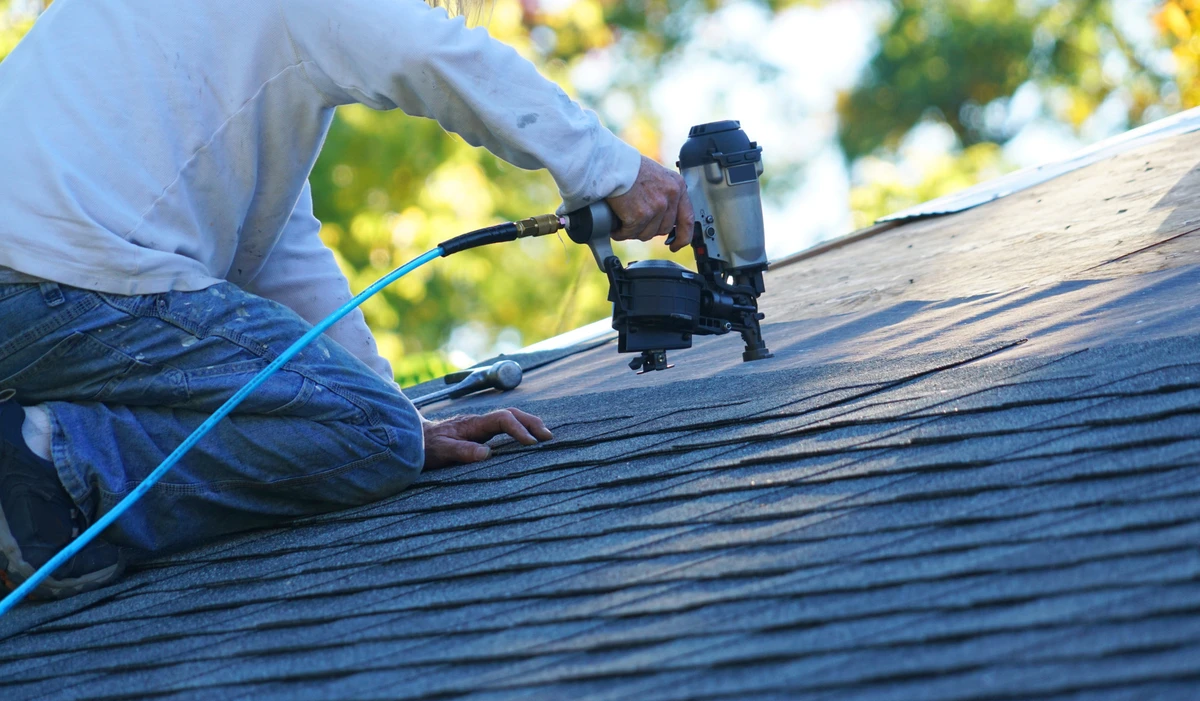
Professional inspection ensures no damage goes undetected
Durability in the Midwest Climate
Vinyl siding: Good but has notable weaknesses in our climate:
– Can become brittle in extreme cold — impact resistance decreases significantly below 0°F
– Can soften and warp near heat sources (grills, dryer vents)
– Hail damage shows as cracks or chips that are difficult to repair invisibly
– Color is not paintable — fading requires full replacement
James Hardie: Engineered specifically for climate extremes:
– Maintains impact resistance across all temperature ranges
– Fire-resistant (cement won’t melt or contribute to flame spread)
– Hail impact creates dents rather than cracks — more repairable
– Paintable — a fresh coat restores appearance without replacement
– James Hardie’s HardieZone products are engineered for specific climate zones including the Midwest’s freeze-thaw and humidity conditions
Paint and Color Retention
This is one of Hardie’s most significant advantages. James Hardie’s ColorPlus pre-painted finish is baked on in a factory process that significantly outperforms field-applied paint — James Hardie guarantees ColorPlus finish for 15 years against fading, peeling, and cracking.
Vinyl siding fades over time and cannot be repainted — when the color goes, you replace the siding.
💡 Pro Tip
Schedule a professional inspection within 30 days of any major storm. Early detection prevents costly repairs down the road.
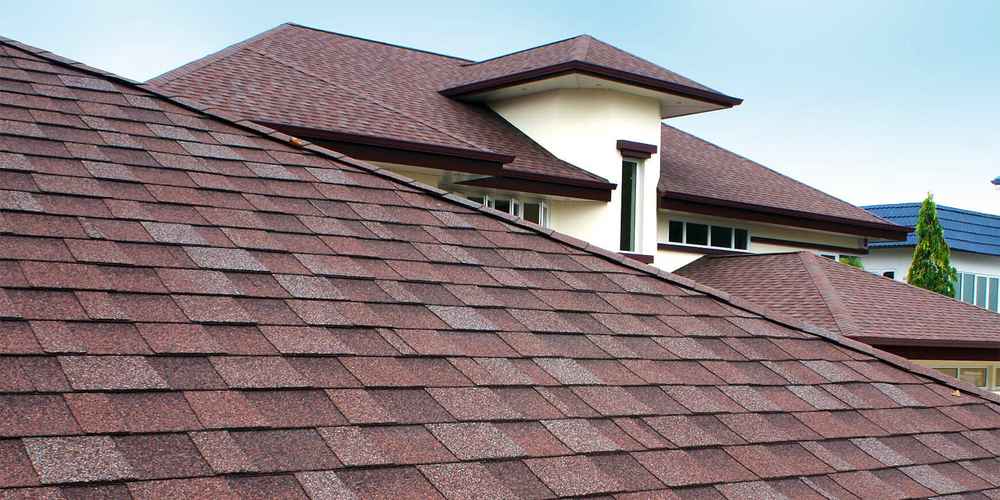
Quality materials and expert installation make the difference
Maintenance Requirements
Vinyl: Extremely low maintenance. Occasional washing is all that’s needed. No painting, no staining.
James Hardie: Low maintenance but not zero. ColorPlus finishes last 15+ years before repainting. Field-painted Hardie requires repainting every 8-12 years. Inspect and caulk penetrations periodically.
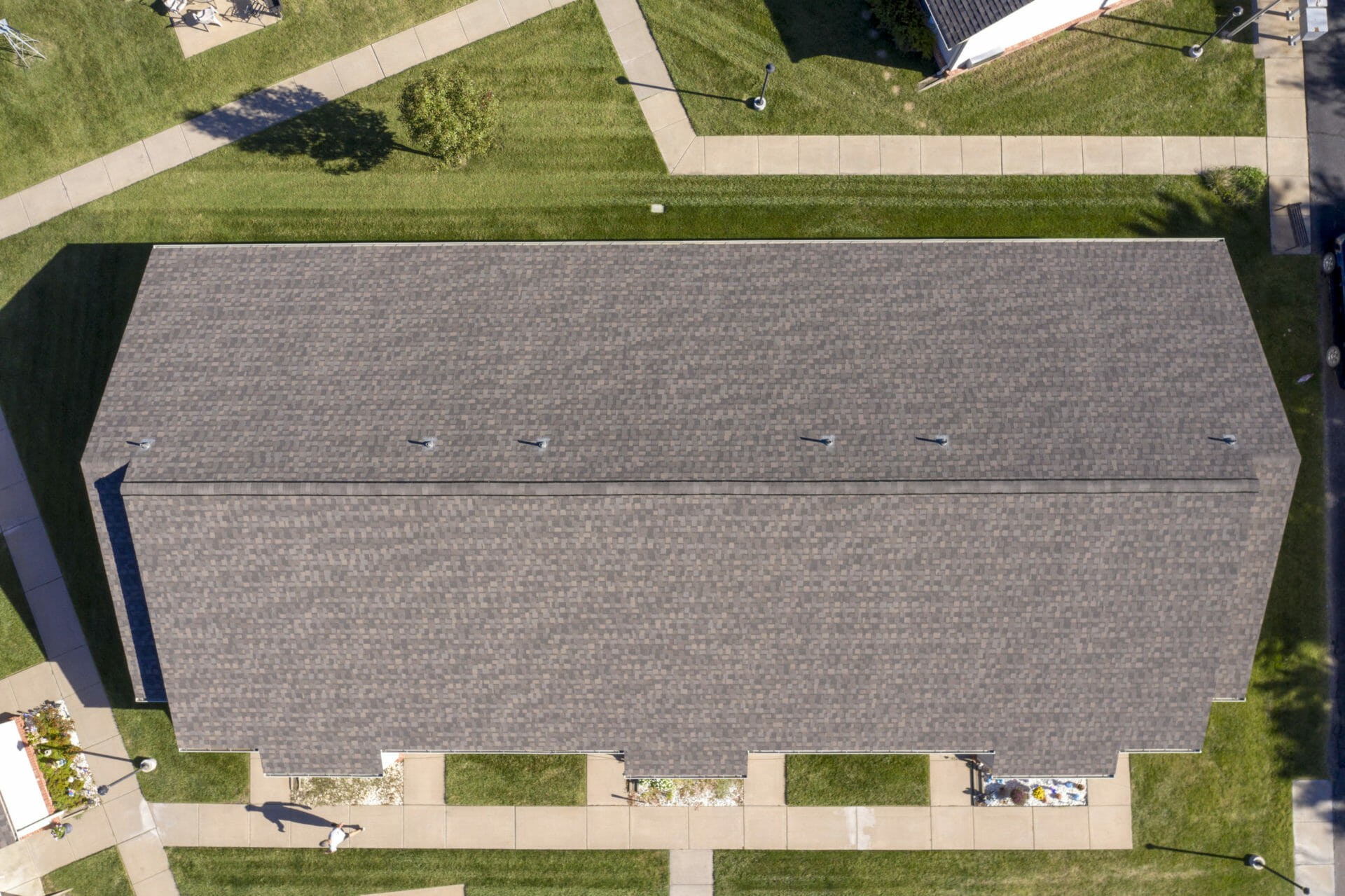
Alamo Roofing serves Lake County, Porter County & northern Illinois
Hail Performance in Lake County and Porter County
This matters in our market. Lake County and Porter County average 2-4 significant hail events per year. Both materials resist hail better than wood, but their failure modes differ:
- Vinyl: Hail cracks or chips vinyl — damage is visible and difficult to match for partial repairs
- Hardie: Hail dents the surface of fiber cement — less visible and more repairable
For homeowners in high-hail areas, Hardie’s superior hail resistance is a meaningful advantage.
📞 Need Help?
Alamo Roofing provides free drone inspections across Northwest Indiana. Call (219) 248-2194 for a no-obligation assessment.
The Bottom Line
Choose vinyl if:
– Budget is the primary constraint
– You want the lowest possible maintenance
– You’re planning to sell the home within 5-10 years
Choose James Hardie if:
– You’re staying in the home long-term
– You want the best performance in Midwest climate extremes
– Curb appeal and paint color options matter to you
– You want to maximize resale value
Alamo Roofing is a James Hardie Preferred contractor serving Lake County, Porter County, and northern Illinois. We install the full HardiePlank, HardiePanel, and HardieShingle product line.
Ready for Your Free Roof Inspection?
Call us at (219) 248-2194 or book online below.
Mon–Fri 9AM–5PM | Sat 9AM–3PM | 24/7 Emergency Storm Response
Schedule Your Free Roof Inspection
Get Your Free Roof Inspection
Free drone inspections across Lake County, Porter County & northern Illinois. Honest assessments — repair, replace, or no action needed.
(219) 248-2194
Book Online
Mon–Fri 9AM–5PM · Sat 9AM–3PM · 24/7 Emergency Storm Response
Schedule Your Free Roof Inspection
by Andy Huffman | Jul 16, 2026 | Roofing Tips
Class 4 Impact-Resistant Shingles — Are They Worth It for Lake County Indiana Homes?
If you’re replacing your roof in Lake County or Porter County, Indiana, your contractor has likely mentioned impact-resistant shingles. Here’s an honest breakdown of what they are, what they actually do, and whether the upgrade makes sense for your home.
What “Class 4” Actually Means
The impact resistance class (1-4) comes from UL 2218, a standard test developed by Underwriters Laboratories specifically for roofing materials. In the test, a 2-inch steel ball is dropped from 20 feet onto a shingle sample. The shingle is then inspected for cracking and tears.
Class 4 is the highest rating — no cracking or tearing after the 2-inch ball drop test.
Standard architectural shingles are typically Class 3 at best. Class 4 shingles use modified rubber compounds (typically SBS — Styrene Butadiene Styrene) in their asphalt matrix to increase flexibility and impact resistance.
Real Hail Performance in Lake County
Lake County and Porter County average 2-4 significant hail events per year. Most events produce hailstones of 3/4″ to 1.5″ diameter. Occasional severe events produce 2″+ hailstones.
In real-world testing and real claims data:
– Class 4 shingles consistently show significantly less granule loss from hail impact than standard shingles
– Bruising and impact marks are less severe and less widespread
– The functional life of the shingle is less impacted by a given hail event
Class 4 shingles don’t make your roof hail-proof — a severe event with 2″+ hailstones will damage any asphalt shingle. But for the typical Lake County hail event, Class 4 shingles perform meaningfully better.
The Insurance Discount Factor
Many Indiana insurance companies offer premium discounts for Class 4 impact-resistant roofing. Typical discounts run 15-30% on the wind/hail portion of your homeowners premium.
The math: If your annual premium is $1,800 and 30% of that is the wind/hail component ($540), a 25% discount saves you $135 per year.
The premium for Class 4 shingles typically runs $20-$40 per square more than standard architectural shingles. On a 20-square roof, that’s $400-$800 in additional upfront cost.
At $135/year in insurance savings, you break even in 3-6 years — and then save $135 every year after that for the life of the roof.
Important: Not every insurance company offers this discount, and discount amounts vary. Check with your specific insurer before making this a decision driver.
What GAF Offers in Class 4
GAF’s Timberline HDZ with ArmorShield II is our primary Class 4 recommendation for Lake County and Porter County homes — it combines the proven performance of the Timberline platform with SBS-modified asphalt for Class 4 impact resistance.
This shingle qualifies for GAF Golden Pledge warranty coverage when installed by a Master Elite contractor.
Our Honest Recommendation
For Lake County and Porter County homeowners, we generally recommend Class 4 impact-resistant shingles for:
– Homes with 15+ year expected remaining ownership
– Homes with insurance companies that offer measurable discounts
– Homes in areas with significant tree coverage that get direct hail exposure
For homeowners planning to sell within 5 years or on a tighter budget, standard architectural shingles with GAF Golden Pledge warranty coverage remain an excellent choice.
Ask about Class 4 options at your free estimate. Call (219) 224-2636.
About Alamo Roofing Contractors
Alamo Roofing Contractors is a GAF Master Elite certified roofing contractor serving Northwest Indiana and northern Illinois since 2017. Based in Portage, Indiana, we serve Lake County, Porter County, LaPorte County, Cook County, Will County, and DuPage County with residential and commercial roofing, siding, gutters, and exterior services.
[Schedule Your Free Estimate] → [https://api.leadconnectorhq.com/widget/booking/DKc0HhICa64zXLn8XJtX]
[Call (219) 224-2636] → tel:+12192242636
Mon–Fri 9AM–5PM | Sat 9AM–3PM | 24/7 Emergency Storm Response
by Andy Huffman | Jul 16, 2026 | Roofing Tips
Class 4 Impact-Resistant Shingles — Are They Worth It for Lake County Indiana Homes?
If you’re replacing your roof in Lake County or Porter County, Indiana, your contractor has likely mentioned impact-resistant shingles. Here’s an honest breakdown of what they are, what they actually do, and whether the upgrade makes sense for your home.
What “Class 4” Actually Means
The impact resistance class (1-4) comes from UL 2218, a standard test developed by Underwriters Laboratories specifically for roofing materials. In the test, a 2-inch steel ball is dropped from 20 feet onto a shingle sample. The shingle is then inspected for cracking and tears.
Class 4 is the highest rating — no cracking or tearing after the 2-inch ball drop test.
Standard architectural shingles are typically Class 3 at best. Class 4 shingles use modified rubber compounds (typically SBS — Styrene Butadiene Styrene) in their asphalt matrix to increase flexibility and impact resistance.
Real Hail Performance in Lake County
Lake County and Porter County average 2-4 significant hail events per year. Most events produce hailstones of 3/4″ to 1.5″ diameter. Occasional severe events produce 2″+ hailstones.
In real-world testing and real claims data:
– Class 4 shingles consistently show significantly less granule loss from hail impact than standard shingles
– Bruising and impact marks are less severe and less widespread
– The functional life of the shingle is less impacted by a given hail event
Class 4 shingles don’t make your roof hail-proof — a severe event with 2″+ hailstones will damage any asphalt shingle. But for the typical Lake County hail event, Class 4 shingles perform meaningfully better.
The Insurance Discount Factor
Many Indiana insurance companies offer premium discounts for Class 4 impact-resistant roofing. Typical discounts run 15-30% on the wind/hail portion of your homeowners premium.
The math: If your annual premium is $1,800 and 30% of that is the wind/hail component ($540), a 25% discount saves you $135 per year.
The premium for Class 4 shingles typically runs $20-$40 per square more than standard architectural shingles. On a 20-square roof, that’s $400-$800 in additional upfront cost.
At $135/year in insurance savings, you break even in 3-6 years — and then save $135 every year after that for the life of the roof.
Important: Not every insurance company offers this discount, and discount amounts vary. Check with your specific insurer before making this a decision driver.
What GAF Offers in Class 4
GAF’s Timberline HDZ with ArmorShield II is our primary Class 4 recommendation for Lake County and Porter County homes — it combines the proven performance of the Timberline platform with SBS-modified asphalt for Class 4 impact resistance.
This shingle qualifies for GAF Golden Pledge warranty coverage when installed by a Master Elite contractor.
Our Honest Recommendation
For Lake County and Porter County homeowners, we generally recommend Class 4 impact-resistant shingles for:
– Homes with 15+ year expected remaining ownership
– Homes with insurance companies that offer measurable discounts
– Homes in areas with significant tree coverage that get direct hail exposure
For homeowners planning to sell within 5 years or on a tighter budget, standard architectural shingles with GAF Golden Pledge warranty coverage remain an excellent choice.
Ask about Class 4 options at your free estimate. Call (219) 224-2636.
About Alamo Roofing Contractors
Alamo Roofing Contractors is a GAF Master Elite certified roofing contractor serving Northwest Indiana and northern Illinois since 2017. Based in Portage, Indiana, we serve Lake County, Porter County, LaPorte County, Cook County, Will County, and DuPage County with residential and commercial roofing, siding, gutters, and exterior services.
[Schedule Your Free Estimate] → [https://api.leadconnectorhq.com/widget/booking/DKc0HhICa64zXLn8XJtX]
[Call (219) 224-2636] → tel:+12192242636
Mon–Fri 9AM–5PM | Sat 9AM–3PM | 24/7 Emergency Storm Response
by Andy Huffman | Jul 16, 2026 | Roofing Tips
If you’re replacing your roof in Lake County or Porter County, Indiana, your contractor has likely mentioned impact-resistant shingles. Here’s an honest breakdown of what they are, what they actually do, and whether the upgrade makes sense for your home.
What “Class 4” Actually Means
The impact resistance class (1-4) comes from UL 2218, a standard test developed by Underwriters Laboratories specifically for roofing materials. In the test, a 2-inch steel ball is dropped from 20 feet onto a shingle sample. The shingle is then inspected for cracking and tears.
Class 4 is the highest rating — no cracking or tearing after the 2-inch ball drop test.
Standard architectural shingles are typically Class 3 at best. Class 4 shingles use modified rubber compounds (typically SBS — Styrene Butadiene Styrene) in their asphalt matrix to increase flexibility and impact resistance.
Professional inspection ensures no damage goes undetected
Real Hail Performance in Lake County
Lake County and Porter County average 2-4 significant hail events per year. Most events produce hailstones of 3/4″ to 1.5″ diameter. Occasional severe events produce 2″+ hailstones.
In real-world testing and real claims data:
- world testing and real claims data:
- Class 4 shingles consistently show significantly less granule loss from hail impact than standard shingles
- Bruising and impact marks are less severe and less widespread
- The functional life of the shingle is less impacted by a given hail event
Class 4 shingles don’t make your roof hail-proof — a severe event with 2″+ hailstones will damage any asphalt shingle. But for the typical Lake County hail event, Class 4 shingles perform meaningfully better.
Quality materials and expert installation make the difference
The Insurance Discount Factor
Many Indiana insurance companies offer premium discounts for Class 4 impact-resistant roofing. Typical discounts run 15-30% on the wind/hail portion of your homeowners premium.
The math: If your annual premium is $1,800 and 30% of that is the wind/hail component ($540), a 25% discount saves you $135 per year.
💡 Pro Tip
Schedule a professional inspection within 30 days of any major storm. Early detection prevents costly repairs down the road.
The premium for Class 4 shingles typically runs $20-$40 per square more than standard architectural shingles. On a 20-square roof, that’s $400-$800 in additional upfront cost.
At $135/year in insurance savings, you break even in 3-6 years — and then save $135 every year after that for the life of the roof.
Important: Not every insurance company offers this discount, and discount amounts vary. Check with your specific insurer before making this a decision driver.
Alamo Roofing serves Lake County, Porter County & northern Illinois
What GAF Offers in Class 4
GAF’s Timberline HDZ with ArmorShield II is our primary Class 4 recommendation for Lake County and Porter County homes — it combines the proven performance of the Timberline platform with SBS-modified asphalt for Class 4 impact resistance.
This shingle qualifies for GAF Golden Pledge warranty coverage when installed by a Master Elite contractor.
Our Honest Recommendation
For Lake County and Porter County homeowners, we generally recommend Class 4 impact-resistant shingles for:
- resistant shingles for:
- Homes with 15+ year expected remaining ownership
- Homes with insurance companies that offer measurable discounts
- Homes in areas with significant tree coverage that get direct hail exposure
For homeowners planning to sell within 5 years or on a tighter budget, standard architectural shingles with GAF Golden Pledge warranty coverage remain an excellent choice.
Ask about Class 4 options at your free estimate. Call (219) 248-2194.
Ready for Your Free Roof Inspection?
Call us at (219) 248-2194 or book online below.
Mon–Fri 9AM–5PM | Sat 9AM–3PM | 24/7 Emergency Storm Response
Schedule Your Free Roof Inspection
Get Your Free Roof Inspection
Free drone inspections across Lake County, Porter County & northern Illinois. Honest assessments — repair, replace, or no action needed.
(219) 248-2194
Book Online
Mon–Fri 9AM–5PM · Sat 9AM–3PM · 24/7 Emergency Storm Response
Schedule Your Free Roof Inspection
by Andy Huffman | Jul 13, 2026 | Roofing Tips
Ice Dam Prevention — How to Protect Your Northwest Indiana Roof This Winter
Ice dams are one of the most common and most preventable sources of roof and interior water damage in Northwest Indiana. Every winter, Lake County and Porter County homeowners deal with ice dam damage that could have been avoided with the right roofing system and attic conditions.
What Is an Ice Dam and How Does It Form?
An ice dam is a ridge of ice that forms at the edge of your roof (the eave) and prevents snowmelt from draining properly.
Here’s the process:
1. Heat from your living space escapes through inadequate attic insulation and warms the roof deck
2. Snow on the warmed upper portion of the roof melts and flows down toward the eave
3. The eave extends beyond the exterior wall and is not warmed by the house — it stays at outdoor temperature
4. The snowmelt refreezes at the cold eave, forming a ridge of ice
5. More snowmelt backs up behind this ridge
6. Water has nowhere to go but under your shingles — into your decking, insulation, walls, and ceilings
In Northwest Indiana, where lake-effect snow events can deposit 12-18 inches of wet, dense snow and temperatures oscillate through freezing repeatedly, ice dams form regularly on homes with any heat loss vulnerability.
The Warning Signs You Have Ice Dam Issues
- Icicles hanging from your gutters — large, impressive-looking icicles are often a warning sign
- Water staining on your attic rafters near the eaves
- Wet or darkened insulation near the eave line
- Water dripping from your soffits or fascia during a warming period
- Interior ceiling staining near exterior walls
The Three Solutions — In Order of Importance
Solution 1: Attic Insulation (Most Important)
The root cause of most ice dams is heat escaping through inadequate attic insulation. If your attic is insufficiently insulated, the fix isn’t on your roof — it’s in your attic.
The minimum insulation level for our climate is R-38. The ideal is R-49 to R-60. Many older Lake County and Porter County homes have R-19 or less.
Improving attic insulation is often the highest-value investment you can make against ice dam formation — more effective dollar-for-dollar than any roofing modification.
Solution 2: Attic Ventilation (Equally Important)
Proper attic ventilation keeps your roof deck uniformly cold by replacing warm air that collects in the attic with cold outside air. A properly ventilated attic eliminates most of the differential temperature that causes ice dams.
The ventilation system needs both intake (typically at soffits) and exhaust (typically at ridge). Many homes have one but not the other — or both are blocked by insulation or debris.
Alamo Roofing assesses and corrects ventilation on every roofing project. Inadequate ventilation voids your GAF warranty and causes premature shingle failure — it’s not something we skip.
Solution 3: Ice and Water Shield (Essential Installation Component)
Ice and water shield is a self-adhesive membrane installed beneath your shingles at the eave line and in valleys. When ice dams back water up under your shingles, ice and water shield prevents that water from penetrating into your decking.
It doesn’t prevent ice dams — but it prevents the damage they cause.
Standard building code in Indiana requires ice and water shield at eaves. We install it at a minimum of 24 inches from the interior wall (further than code minimum) and in all valleys. This is standard on every Alamo Roofing project.
What to Do If You Already Have an Ice Dam This Winter
Do not: Attempt to remove ice with a sharp tool, use heat guns or open flame, or chip at the ice aggressively — these cause more damage than the ice dam itself.
Safe steps:
– Use a roof rake (long-handled tool) to remove snow from the lowest 3-4 feet of your roof — this removes the fuel source
– A professional can use steam (not heat guns) to carefully remove severe ice dams
– Address active interior water intrusion first — contain water, protect belongings
After the winter: Have Alamo inspect your attic insulation and ventilation. Repeated ice dam formation is a symptom of an underlying problem that needs to be corrected.
Call (219) 224-2636 for ice dam assessment and roofing solutions.
About Alamo Roofing Contractors
Alamo Roofing Contractors is a GAF Master Elite certified roofing contractor serving Northwest Indiana and northern Illinois since 2017. Based in Portage, Indiana, we serve Lake County, Porter County, LaPorte County, Cook County, Will County, and DuPage County with residential and commercial roofing, siding, gutters, and exterior services.
[Schedule Your Free Estimate] → [https://api.leadconnectorhq.com/widget/booking/DKc0HhICa64zXLn8XJtX]
[Call (219) 224-2636] → tel:+12192242636
Mon–Fri 9AM–5PM | Sat 9AM–3PM | 24/7 Emergency Storm Response
by Andy Huffman | Jul 13, 2026 | Roofing Tips
Ice Dam Prevention — How to Protect Your Northwest Indiana Roof This Winter
Ice dams are one of the most common and most preventable sources of roof and interior water damage in Northwest Indiana. Every winter, Lake County and Porter County homeowners deal with ice dam damage that could have been avoided with the right roofing system and attic conditions.
What Is an Ice Dam and How Does It Form?
An ice dam is a ridge of ice that forms at the edge of your roof (the eave) and prevents snowmelt from draining properly.
Here’s the process:
1. Heat from your living space escapes through inadequate attic insulation and warms the roof deck
2. Snow on the warmed upper portion of the roof melts and flows down toward the eave
3. The eave extends beyond the exterior wall and is not warmed by the house — it stays at outdoor temperature
4. The snowmelt refreezes at the cold eave, forming a ridge of ice
5. More snowmelt backs up behind this ridge
6. Water has nowhere to go but under your shingles — into your decking, insulation, walls, and ceilings
In Northwest Indiana, where lake-effect snow events can deposit 12-18 inches of wet, dense snow and temperatures oscillate through freezing repeatedly, ice dams form regularly on homes with any heat loss vulnerability.
The Warning Signs You Have Ice Dam Issues
- Icicles hanging from your gutters — large, impressive-looking icicles are often a warning sign
- Water staining on your attic rafters near the eaves
- Wet or darkened insulation near the eave line
- Water dripping from your soffits or fascia during a warming period
- Interior ceiling staining near exterior walls
The Three Solutions — In Order of Importance
Solution 1: Attic Insulation (Most Important)
The root cause of most ice dams is heat escaping through inadequate attic insulation. If your attic is insufficiently insulated, the fix isn’t on your roof — it’s in your attic.
The minimum insulation level for our climate is R-38. The ideal is R-49 to R-60. Many older Lake County and Porter County homes have R-19 or less.
Improving attic insulation is often the highest-value investment you can make against ice dam formation — more effective dollar-for-dollar than any roofing modification.
Solution 2: Attic Ventilation (Equally Important)
Proper attic ventilation keeps your roof deck uniformly cold by replacing warm air that collects in the attic with cold outside air. A properly ventilated attic eliminates most of the differential temperature that causes ice dams.
The ventilation system needs both intake (typically at soffits) and exhaust (typically at ridge). Many homes have one but not the other — or both are blocked by insulation or debris.
Alamo Roofing assesses and corrects ventilation on every roofing project. Inadequate ventilation voids your GAF warranty and causes premature shingle failure — it’s not something we skip.
Solution 3: Ice and Water Shield (Essential Installation Component)
Ice and water shield is a self-adhesive membrane installed beneath your shingles at the eave line and in valleys. When ice dams back water up under your shingles, ice and water shield prevents that water from penetrating into your decking.
It doesn’t prevent ice dams — but it prevents the damage they cause.
Standard building code in Indiana requires ice and water shield at eaves. We install it at a minimum of 24 inches from the interior wall (further than code minimum) and in all valleys. This is standard on every Alamo Roofing project.
What to Do If You Already Have an Ice Dam This Winter
Do not: Attempt to remove ice with a sharp tool, use heat guns or open flame, or chip at the ice aggressively — these cause more damage than the ice dam itself.
Safe steps:
– Use a roof rake (long-handled tool) to remove snow from the lowest 3-4 feet of your roof — this removes the fuel source
– A professional can use steam (not heat guns) to carefully remove severe ice dams
– Address active interior water intrusion first — contain water, protect belongings
After the winter: Have Alamo inspect your attic insulation and ventilation. Repeated ice dam formation is a symptom of an underlying problem that needs to be corrected.
Call (219) 224-2636 for ice dam assessment and roofing solutions.
About Alamo Roofing Contractors
Alamo Roofing Contractors is a GAF Master Elite certified roofing contractor serving Northwest Indiana and northern Illinois since 2017. Based in Portage, Indiana, we serve Lake County, Porter County, LaPorte County, Cook County, Will County, and DuPage County with residential and commercial roofing, siding, gutters, and exterior services.
[Schedule Your Free Estimate] → [https://api.leadconnectorhq.com/widget/booking/DKc0HhICa64zXLn8XJtX]
[Call (219) 224-2636] → tel:+12192242636
Mon–Fri 9AM–5PM | Sat 9AM–3PM | 24/7 Emergency Storm Response