Roofing Warranties 101: What Every Homeowner Should Know!

Roofing Warranties 101: What Every Homeowner Should Know!

If you are a homeowner in places like Naperville Illinois, or South Bend and Valparaiso Indiana, you know that your roof is a major investment. A roof does more than just keep you dry - it protects your family, your possessions, and the value of your home. But what happens if that investment does not perform as expected? Enter the world of roofing warranties, a sometimes confusing, often overlooked aspect of roofing that can make all the difference between peace of mind and unexpected expenses.

It is easy to get lost in the jargon of warranties, coverage terms, and industry-specific language used by roofers and roofing companies. Many homeowners assume that every warranty offers the same level of protection, but the truth is that not all roofing warranties are created equal. Some provide long-term coverage that can last for decades, while others may have limitations buried in the fine print. Understanding what your warranty actually covers and what it does not is just as important as choosing the right shingles or roofing style.

This article aims to strip away the confusion and help you make informed decisions about your home's most important protective layer. Whether you are replacing an aging roof, building a new home, or simply want to understand the warranties you already have, we will guide you through the essentials, explore the warranties typically offered by roofing companies in Naperville, Valparaiso, and South Bend, examine their pros and cons, share real-world examples, and provide actionable advice. So grab a cup of coffee, settle in, and let's dig deep into Roofing Warranties 101 because your peace of mind starts from the top down.

The Different Types of Roofing Warranties

Today's roofing industry has evolved, and with it, the types of warranties roofers offer have grown more complex. As competitive as the market has become in places like Valparaiso, more companies are offering extended or even lifetime warranties to win your business. But bigger is not always better and a long warranty is not always the most comprehensive. Knowing the difference between various types of warranties, what is required to keep each valid, and the process for making a claim are all essential for maintaining your roof—and your investment.

1. Manufacturer's Warranties

Across Naperville, South Bend, and Valparaiso, one of the most common warranties offered by roofing companies is the manufacturer's warranty. This type of warranty covers defects in the roofing materials themselves. For example, if you purchased high-quality shingles from a leading manufacturer and those shingles start to warp, crack, or otherwise fail under normal conditions, the manufacturer's warranty is the primary recourse for resolution.

These warranties can range widely - some are limited to 10 or 20 years, while others promote 30-year or even lifetime coverage. However, the scope of these warranties is often limited to the materials and does not cover improper installation or issues arising from poor workmanship. That is an important distinction: even if you hire the best roofers in Naperville, if their installation work does not meet the manufacturer's standards, your warranty claim could be denied.

2. Workmanship Warranties

The other major warranty category is the workmanship or labor warranty, which is offered by the roofing company or contractor who installs your roof. This warranty covers any errors or issues resulting from the installation process. Workmanship warranties can be as short as one year or extend up to 10 or even 25 years, depending on the roofing company and their confidence in the skills of their roofers.

In South Bend, for instance, a respected roofer might offer a 10-year workmanship warranty to distinguish themselves from competitors who only give one year of labor coverage. Typically, these warranties cover roof leaks, installation flaws, and other issues that arise due to the roof's construction, provided the problem is not related to the roofing materials themselves.

Be sure to check who will be responsible for any necessary repairs. Some companies outsource their labor, which could complicate the process if you find an issue years after the initial installation.

3. System or Extended Warranties

More recently, some roofing companies in Naperville, Valparaiso, and South Bend have begun offering "system warranties" or extended warranties. These are often marketed as "lifetime" or "comprehensive" warranties and typically cover both material defects and installation errors, subject to certain conditions.

These warranties typically require the use of a "certified" or "approved" contractor, which is usually one that the manufacturer has vetted and trained. The warranty may also insist that your entire roofing system (shingles, underlayment, ventilation, and flashing) is sourced from a single manufacturer, creating a system approach. While this can maximize compatibility and performance, it can also lock you into more expensive material purchases.

What Is Not Covered By Most Roofing Warranties?

It is essential to understand what roofing warranties do not cover. Most will not protect you against damage from natural disasters (like tornadoes or hail, common in Indiana and Illinois), normal aging, neglect, or lack of maintenance. Improper repairs by unauthorized roofers can also void warranties. Each policy is different, so always read the fine print before signing any agreement.

Common exclusions include:

  • Wind speeds above a certain threshold
  • Damage from standing water or ice dams
  • Problems arising from structural issues with your home, like settling or movement
  • Animal damage
  • "Acts of God" or severe weather events

Comparing Local Roofing Companies and Their Warranties

As you shop for roofing services in South Bend, Naperville, or Valparaiso, you willnotice that not every roofing company offers the same warranty standards. Some may promise a long material warranty but only a brief labor guarantee. Others might bundle both types into one comprehensive package. The variation is enormous even within the same town. Some roofing companies may market 20-year comprehensive warranties, which actually include a 10-year workmanship guarantee and 20 years on materials, with more extensive coverage requiring additional fees. Other contractors might only provide a one-year labor warranty but rely on manufacturer warranties for all other aspects. 

When evaluating roofing companies, do not just compare upfront costs; ask detailed questions about the specifics of every warranty offered. It is a key differentiator in an industry where local reputation and customer satisfaction are everything.

The Fine Print: Transferability and Warranty Requirements

A commonly overlooked aspect of roofing warranties is transferability. Many homeowners in Naperville or Valparaiso move within 5–10 years of a new roof installation. Will your warranty transfer to the next owner? Some warranties are fully transferable (usually only once), while others become void when the house changes hands.

Additionally, be aware of maintenance requirements. Most warranties require homeowners to perform regular inspections and basic upkeep to remain valid. This means keeping gutters clear, replacing missing shingles promptly, and scheduling professional inspections every few years. Neglect these steps, and you risk voiding even the best warranty.

Warranty Questions to Ask Your Roofer Before Signing

Arming yourself with the right questions can help you make the most informed decision. Here is what you should always ask before signing any contract:

  • What type of warranties do you offer, and what exactly is covered?
  • Are there any exclusions or limitations, and where are they stated?
  • What is the claim process, and how quickly do you respond to claims?
  • Is the warranty transferable to a new homeowner?
  • Can I choose my roofer for repairs, or am I limited to specific contractors?
  • What maintenance is required to keep the warranty valid?
  • Who covers labor versus materials?

By getting clear, direct answers from your roofing company, you will be in a much stronger position when it matters most.

How Roofers Build Trust Through Warranties

Roofers and roofing companies across places like South Bend, Valparaiso, and Naperville understand that strong warranties are about more than just paperwork. They are powerful marketing tools and critical levers for customer loyalty. A trustworthy roofer will be transparent about all terms, honor commitments, and provide detailed documentation upfront. Poor-quality contractors, on the other hand, may use vague or misleading warranty language to avoid responsibility.

This makes it essential to check reviews, verify credentials, and request written warranty documents before making a purchase. Recommendations from neighbors or friends in your city can be worth their weight in gold.

Tips for Getting the Most From Your Roofing Warranty

  • Register your warranty immediately: Many manufacturers require online registration, which secures your rights under their policy.
  • Attend to maintenance: Regularly inspect and maintain your roof to avoid claims being denied due to neglect.
  • Document everything: Save all receipts, inspection reports, and repair invoices.
  • Understand claim procedures: Know who to call and how to submit a claim before an emergency occurs.
  • Choose certified installers: Working with properly credentialed roofers can make the difference between an honored and denied warranty claim.

Conclusion

Choosing the right roofing warranty is not just about ticking a box during installation; it is a critical decision that impacts your finances, home value, and peace of mind for years to come. Whether you are working with roofers in Naperville, South Bend, or Valparaiso, understanding the ins and outs of material and workmanship warranties empowers you to protect your investment from costly surprises.

Do not just settle for industry jargon or the first offer that comes your way. Take the time to read through every clause and ask your roofing company to explain terms in plain English. Pay close attention to coverage limits, exclusions, transferability, and maintenance obligations. By being proactive, you making sure that your roof and your wallet are safe in the storm.

If you are unsure about your current coverage or are planning a new roofing project, reach out to local roofers and reliable roofing companies in your area for a consultation. Get everything in writing, keep your paperwork organized, and stay diligent about regular maintenance. Your roof is your home's first line of defense so that your warranty provides the security you deserve.

Ready to take the next step? Schedule a roof inspection and review your current documents with a trusted local roofer today. Protect your home, your investment, and your peace of mind from the top down!


Key Takeaways

  • Understand each type of warranty: Manufacturer's warranties cover material defects, while workmanship warranties focus on labor and installation issues. Some companies offer hybrid system warranties for more comprehensive protection.
  • Carefully read the fine print: Coverage exclusions, claim procedures, and transfer rules are often buried in the fine print. Take the time to read and understand all documents before signing.
  • Do not assume longer is always better: A "lifetime warranty" may sound impressive, but its true value depends on covered items, exclusions, and required maintenance.
  • Maintain thorough documentation: Keep all paperwork, receipts, inspection reports, and photos. This documentation is vital if you ever need to make a claim.
  • Perform regular roof maintenance: Most warranties require proof of ongoing care—cleaning gutters, fixing minor repairs, and scheduling professional inspections help maintain compliance.
  • Check transferability if selling your home: Some warranties transfer to new owners, while others do not. If you plan to sell your house, clarify this in advance so that you receive the full home value.
  • Always work with respected, certified contractors: Roofers certified by leading manufacturers can offer enhanced warranties and are more likely to uphold quality standards.
  • Ask detailed questions before signing: Get specifics about coverage, exclusions, and claims upfront, do not leave anything to assumptions or verbal promises.
  • Register new warranties immediately: Many manufacturer warranties only kick in after proper registration. Do not let this simple step invalidate your coverage.
  • Follow up on claims promptly: Familiarize yourself with the exact process for filing a claim. Promptly report issues, document them thoroughly, and follow up until your claim is resolved.

FAQs

1. What is a roofing warranty, and why do I need one?
A roofing warranty is a written guarantee from the manufacturer or installer that covers specific types of defects or issues within an outlined time frame. It protects homeowners in Naperville, South Bend, and Valparaiso from unexpected repair costs resulting from material or workmanship issues.

2. What is the difference between a manufacturer's warranty and a workmanship warranty?
A manufacturer's warranty covers defects in the roofing materials, while roofing companies or roofers provide a workmanship warranty that covers problems caused by improper installation or labor.

3. Do all roofing companies in Naperville Illinois and South Bend Indiana provide the same warranty?
No, warranty terms vary widely between roofing companies in Naperville, South Bend, and Valparaiso. Always ask for written documentation and review the specifics with your roofer.

4. Is my warranty still valid if I make repairs myself?
Generally, self-performed repairs or work by unauthorized roofers can void your roofing warranty. Always contact your original roofing company or a certified professional for repairs.

5. Will my warranty cover damage from storms or hail?
Most standard roofing warranties exclude damage from severe weather events, such as hail, high winds, and tornadoes, which are common in Illinois and Indiana. Such events may be covered by homeowner's insurance instead.

6. How do I transfer a roofing warranty when selling my house?
Some warranties are transferable, often only once, if you notify the manufacturer and provide the necessary documentation within a specific time frame. Ask your roofer or warranty issuer for the exact process.

7. What voids a roofing warranty?
Common reasons include improper installation, unauthorized repairs, neglect or lack of maintenance, and the use of materials not specified in the warranty.

8. How do I file a warranty claim?
Contact your roofing company or manufacturer directly. Provide detailed records, proof of purchase, maintenance history, and photos of the issue. Ask your roofer about their specific process for claims.

9. Who should I call first if I notice a problem with my roof?
Begin with the company that installed your roof. If a manufacturer's warranty is involved, your roofer will guide you or provide contact information for the manufacturer to assist you.

10. Are extended or lifetime warranties worth the cost?
They can be valuable, especially when backed by respected roofing companies and certified materials. Review actual coverage terms, required maintenance, and any hidden fees or exclusions before deciding.
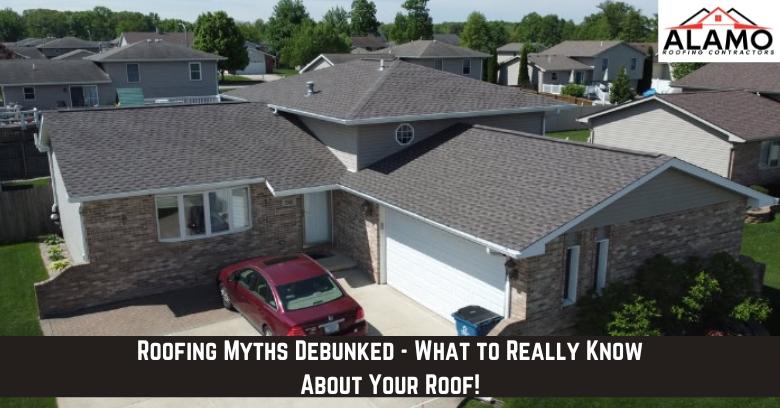
Roofing Myths Debunked – What to Really Know About Your Roof!

Roofing Myths Debunked – What to Really Know About Your Roof!

As a homeowner, the roof is one of the most important aspects of your house. It protects your family, your belongings, and the structure itself from the elements. Yet, many people still hold onto misconceptions about roofing that can lead to poor decisions when it comes to maintenance, repairs, or even choosing a new roof. In this blog, we will debunk common roofing myths so that you know what is really going on with your roof.

Whether you live in South Bend, Valparaiso, or Naperville, it is essential to work with knowledgeable professionals like roofers and roofing companies that understand the local climate and conditions. Roof maintenance is especially crucial in areas where heavy snow, rain, or storms are common. So, let's separate fact from fiction and help you make informed decisions about your roof.

Myth #1 - "A New Roof Is Always Expensive"

One of the most common myths about roofing is that installing a new roof is always a massive financial burden. While it is true that roof replacement can sometimes be costly, the reality is that a new roof may not be as expensive as you think. The cost of a roof depends on several factors, including the size of your home, the roofing material you choose, and the complexity of the installation.

Many roofing companies offer different price ranges depending on the materials used. Asphalt shingles, for example, are a popular choice because they are affordable, durable, and effective for a variety of climates. They also come in a variety of styles and colors to suit your aesthetic preferences. If you are looking for a more durable material that can stand up to harsh weather conditions, options like metal roofing or slate tiles may be a better choice, but they do come at a higher upfront cost.

Another important factor to consider is the longevity of your roof. Roofing companies will often advise homeowners that investing in a more durable roofing material can save money over time. Metal roofs, for example, last significantly longer than asphalt shingles and offer more protection against severe weather, making them a great long-term investment.

Moreover, when you factor in the long-term benefits such as increased home value and better protection against weather damage, a new roof is an investment that often pays off. Roofers will help you determine the most cost-effective and durable solution for your home based on your specific needs. A reliable roofing company will work with you to find the most suitable options within your budget.

Myth #2 - "Roofs Only Need Maintenance If There Is a Problem"

Another common misconception is that a roof only needs maintenance when there is a problem. Many homeowners assume that if they do not notice any leaks or visible damage, their roof is in good condition; however, this is not the case. Roofs should be inspected regularly so they remain in good shape and to prevent potential issues from worsening.

Regular maintenance like cleaning gutters, checking the flashing, and removing debris from the roof can help prolong its lifespan. Roofers recommend having your roof inspected at least once a year, or more frequently if you live in areas prone to heavy rain, snow, or high winds. For homeowners in areas like South Bend or Naperville where storms can be severe, taking preventive measures can save a lot of money on repairs down the line.

During these inspections, roofers will also check for potential damage to flashing, roof shingles, and the attic. Water can seep in through cracks and gaps, even if you cannot see it. Small leaks, if left unnoticed, can turn into major structural issues. By staying ahead of minor repairs, you can prevent costly damage down the road. Many roofing companies offer maintenance packages that include regular inspections and repairs, making it easier for homeowners to keep their roofs in top condition without worrying about remembering when to schedule inspections.

Myth #3 - "You Can DIY Your Roof Repairs"

It is tempting to think that roofing repairs can be done by yourself, especially with all the online tutorials available; however, trying to repair your roof on your own can lead to serious problems. Roofing requires specialized knowledge, tools, and safety precautions. Without the proper expertise, you may end up causing more damage or even risking injury.

Roofing companies employ experienced professionals who have been trained to handle all types of repairs, from fixing leaks to replacing shingles. Attempting DIY repairs could lead to even higher costs if the damage worsens, as untrained hands may not notice all the issues. It is best to leave the job to experienced roofers who can get the job done correctly and safely the first time.

Even something as simple as a missing shingle can cause serious damage if not fixed properly. In the worst cases, a small issue left unattended can result in water damage or structural problems that could have been easily avoided with professional care. Roofers have the right tools and safety equipment to access your roof and handle repairs properly, minimizing risks to both your home and personal safety.

Additionally, if you attempt to repair your roof yourself and something goes wrong, your homeowner's insurance may not cover the damage. Most policies require that repairs be done by licensed contractors to ensure the work meets building codes and safety standards.

Myth #4 - "All Roofs Are the Same"

Some homeowners assume that all roofs are identical and that there is no need to consider the materials and design options when replacing or repairing their roof. In reality, there are a variety of roofing materials, and each type has its own advantages and disadvantages. Your roof is an integral part of your home's structure, and choosing the right roofing material is crucial to its performance.

For example, asphalt shingles are affordable and versatile, making them a popular option for many homes; however, if you live in a region prone to heavy snow and ice, a metal roof may be a better choice, as it sheds snow more effectively. Slate roofs, while costly, are incredibly durable and long-lasting. Metal roofs, which are common in areas like Naperville where high winds are frequent, are ideal for protecting your home against harsh weather.

When working with roofing companies, it is important to discuss the specific benefits of each roofing material. Roofers can guide you on which type of roofing is most suitable for your home based on your local climate, home style, and budget. They will also consider the expected lifespan of the materials and the level of maintenance required.

Myth #5 - "Roof Damage Is Always Visible"

Many homeowners believe that if they do not see any visible damage, their roof must be in good condition; however, roof damage is not always easy to spot. Some problems, like water damage or issues with the roof's structure, may be hidden from view, especially if you do not have a professional inspection.

For example, leaks may occur beneath the surface of your roof, inside the attic or walls, where they can cause mold growth or structural damage. The longer these issues are left unchecked, the more expensive and complicated they can become to repair. Roofers have the tools and expertise to inspect your roof thoroughly and identify problems that are not immediately visible to the untrained eye.

While inspecting the roof yourself can help catch obvious damage, roofers are trained to look for subtle signs of damage that may not be visible from the ground. It is always best to have a professional inspection done if you suspect any issues with your roof, especially after a storm or harsh weather conditions.

Myth #6 - "Roofing Companies Are All the Same"

Not all roofing companies are created equal. Many homeowners assume that any roofing company will do the job, but the reality is that choosing the right contractor is crucial to the success of your roofing project. A reliable and reputable roofing company will be licensed, insured, and experienced in handling roofing projects of all types.

It is essential to do your research before hiring a roofing company. Ask for references, read reviews, and make sure the company has a solid track record of delivering quality work. Roofers who are dedicated to customer satisfaction will provide you with detailed estimates, honest advice, and superior workmanship.

For those living in areas like Naperville where weather conditions can vary greatly, it is important to hire a roofing company with experience handling a variety of roofing materials and weather-related issues. Professional roofers in your area will know how to approach your project with a specific understanding of the challenges posed by local weather patterns.

Myth #7 - "You Do Not Necessarily Need a Roof Inspection After a Storm"

After a storm, it is easy to assume that your roof is fine if you do not see any obvious damage; however, even minor storms can cause significant hidden damage to your roof that may not be visible right away. Missing shingles, damaged flashing, and weakened structures can all lead to bigger problems down the line.

Professional roofers recommend getting a roof inspection after any severe weather event, especially if you live in an area prone to strong winds, hail, or heavy snow. A thorough inspection by a roofing company can catch issues early, allowing you to address them before they cause serious damage. It is a small investment that can save you money and stress in the long run.

Myth #8 - "You Don't Need a Roof Inspection Until You Sell Your Home"

Many homeowners believe that they only need to get a roof inspection when they are planning to sell their home; however, this myth can be harmful, as it overlooks the importance of regular roof inspections throughout the lifespan of the roof. A roof inspection should be part of your regular home maintenance routine, not just a one-time event before listing your house on the market.

Roof damage can occur at any time, whether due to weather, age, or wear and tear. Ignoring the condition of your roof can lead to unnoticed problems that, over time, may worsen and become costly to repair. If you wait until you are ready to sell, you might find yourself dealing with more significant, expensive issues that could affect the sale price or the decisions of potential buyers.

To avoid this, roofing companies recommend scheduling an annual roof inspection or even more frequently in areas with extreme weather conditions. Regular inspections allow roofers to catch small issues before they turn into big problems, saving you money and hassle down the line. If you are in South Bend, Valparaiso, or Naperville, working with local roofers who understand the climate's impact on roofs can make sure your roof is always in optimal condition.

By staying on top of roof maintenance, you will not only protect your home but also prevent unnecessary repairs when it is time to sell.

Conclusion

There are many myths and misconceptions surrounding roofing, but understanding the truth can help you make better decisions about roof maintenance, repairs, and replacements. From the costs involved in installing a new roof to understanding why regular maintenance is essential, the more you learn about your roof, the better equipped you will be to protect your home.

By working with qualified roofers and trusted roofing companies, you can be sure that your roof remains in top condition and provides the protection your home needs for years to come. If you are in South Bend, Valparaiso, or Naperville, do not hesitate to reach out to a local professional for an inspection, maintenance, or roof replacement.

Remember: a little knowledge goes a long way in protecting your most important investment - your home!

Key Takeaways

  • Regular Roof Maintenance is Essential: Do not wait for visible damage or leaks to address roofing issues - schedule routine inspections to catch potential problems early and extend the lifespan of your roof.
  • Roofing Costs Vary: While installing a new roof can be costly, it is often more affordable than expected, especially with materials like asphalt shingles. When choosing your roofing material, consider long-term savings and durability.
  • Leave Roof Repairs to the Professionals: DIY repairs can lead to more damage and risk injury. Always hire experienced roofers so that the job is done correctly and safely.
  • Not All Roofs Are the Same: Roof materials vary significantly in cost, durability, and performance. Be sure to choose a roofing material that suits your climate and home needs.
  • Roof Damage Is Not Always Visible: Even if you cannot see obvious signs of damage, hidden issues could still exist. Schedule professional inspections to identify problems before they worsen.
  • Research Your Roofing Company: Not all roofing companies are created equal. Choose a reliable, experienced company with a solid track record to ensure quality service and reliable workmanship.
  • Get a Roof Inspection After a Storm: Do not assume your roof is fine just because you don't see damage after a storm. Even small issues can lead to larger problems, so it's important to schedule an inspection.
  • Do Not Wait Until You Sell Your Home: Roof inspections should not be reserved only for when you are selling. Regular checks help prevent issues from becoming expensive problems later.

FAQs

1. How often should I have my roof inspected?
It is recommended that your roof be inspected at least once a year; however, if you live in areas like South Bend, Valparaiso, or Naperville, where harsh weather conditions are common, you may want to schedule inspections more frequently, especially after severe storms.

2. How long does a roof typically last?
The lifespan of your roof depends on the material used. Asphalt shingles typically last 20-30 years, while metal roofs can last 40-70 years. Slate and tile roofs can last even longer, but they come at a higher initial cost.

3. How do I know if my roof needs to be replaced?
Missing or curling shingles, leaks, significant wear and tear, and water damage inside your home are signs that your roof may need replacement. If you notice any of these issues, it is time to call a roofing company for an inspection.

4. What factors affect the cost of a new roof?
The price of a new roof varies depending on several factors, including your home's size, the type of roofing material, the complexity of the installation, and the contractor you choose to hire. More durable materials like metal or slate tend to be more expensive, but they offer longer-lasting protection.

5. Can I repair my roof myself?
While minor repairs might seem manageable, roofing work requires specialized knowledge and safety precautions. It is best to hire professional roofers so that repairs are done correctly and safely. DIY attempts can lead to further damage or injury.

6. What roofing materials are best for areas with harsh weather?
For areas like South Bend and Naperville which experience heavy snow, rain, and high winds, materials like metal roofing or asphalt shingles are recommended. These materials are durable and designed to withstand extreme weather conditions. Metal roofs, in particular, are great for shedding snow and ice.

7. Do I need a roof inspection after a storm?
Yes! Even if you do not see visible damage after a storm, it is crucial to have your roof inspected by a professional. Storms can cause hidden damage that might lead to bigger issues down the line, such as leaks and structural damage.

8. How can I extend the lifespan of my roof?
Regular maintenance is key to extending your roof's lifespan. This includes cleaning gutters, removing debris, and checking for issues like cracked shingles or damaged flashing. A professional inspection can help identify minor problems before they become major repairs.

9. Will replacing my roof increase my home's value?
Yes, a new roof can increase your home's resale value by improving its curb appeal and ensuring that future buyers will not have to worry about roof repairs. If you are planning to sell your home, investing in a new roof can be a smart move.

10. What should I look for in a roofing company?
When hiring a roofing company, look for experience, proper licensing, insurance, and a strong reputation. Read reviews, ask for references, and make sure the company provides a detailed written estimate. Local companies with experience in your area will have the knowledge to handle specific climate challenges.

(219) 248-2194