
One of the most common questions we receive from October through March: “Can you replace my roof in winter, or do I have to wait until spring?”
The honest answer is more nuanced than a simple yes or no.
The Technical Reality of Winter Roofing
Asphalt shingles require temperature for proper installation — specifically, for the adhesive strips to seal correctly. The industry standard is that shingle installation is appropriate above 40°F, with best results above 50°F.
Below 40°F: Shingles become less flexible and more prone to cracking during installation. The adhesive strips don’t activate until temperatures warm, meaning newly installed shingles may not seal for weeks or months after installation.
Below 20°F: Installation is generally not recommended. Shingles can crack during handling and nailing, and proper sealing is essentially impossible until warmer weather.
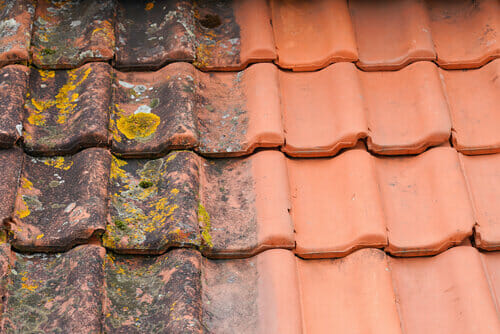
Professional inspection ensures no damage goes undetected
What This Means for Northwest Indiana and Illinois
Our climate is exactly what you’d expect — challenging but not impossible for winter roofing. The practical reality:
November and early December: Often workable, especially during warm spells. Weather patterns are variable and many days reach the 40-50°F range.
January and February: The most restrictive period. Sustained cold below 40°F is common, and scheduling around adequate temperature windows is difficult.
March: Increasingly workable as temperatures recover. By late March, roofing conditions are typically adequate.

Quality materials and expert installation make the difference
When Winter Replacement Makes Sense
Emergency situations: Active leaks, storm damage, or structural compromise don’t wait for spring. We install year-round for genuine emergencies, using hand-sealing techniques to compensate for cold temperatures.
Late fall when temperatures are adequate: A November roof replacement in a warm week is not significantly different from a September replacement in terms of final quality.
💡 Pro Tip
Schedule a professional inspection within 30 days of any major storm. Early detection prevents costly repairs down the road.
When you simply can’t wait: If your roof is failing and spring is 5 months away, continuing to risk interior water damage through winter is often worse than a properly executed winter installation.
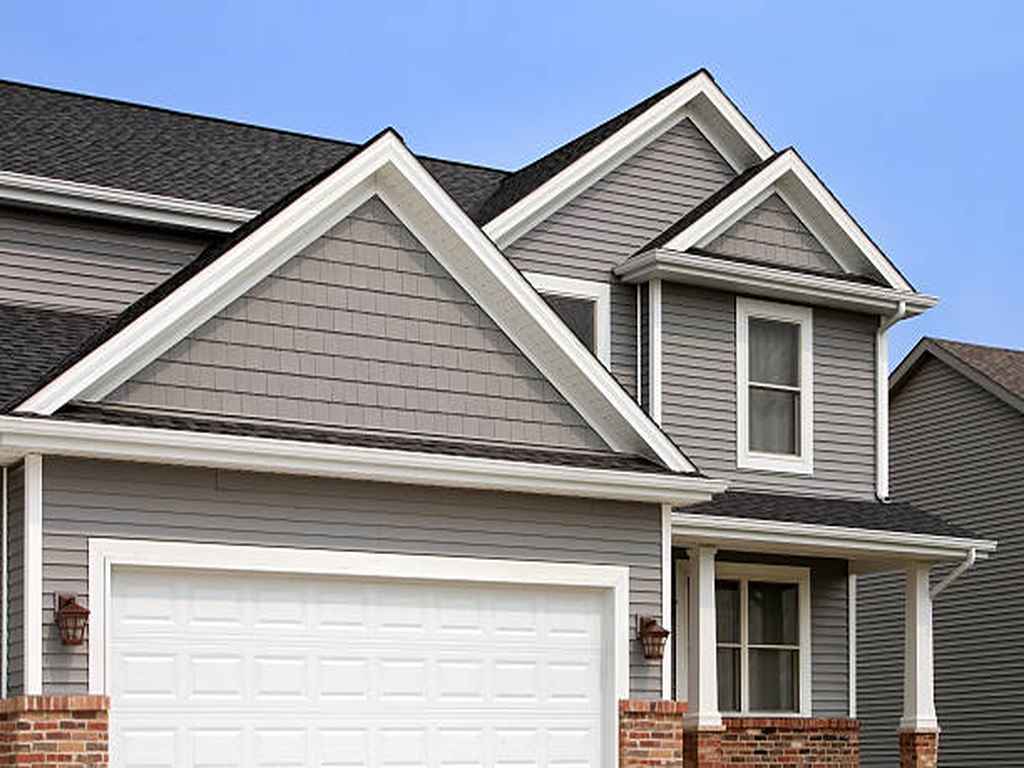
Alamo Roofing serves Lake County, Porter County & northern Illinois
What We Do Differently in Cold Weather
When we install in cold weather:
- Hand-sealing: Each shingle tab is manually sealed with roofing cement rather than relying solely on the adhesive strip — this compensates for the adhesive’s reduced activation in cold
- Warm storage: Shingles are stored in heated conditions as long as practical before installation
- Careful handling: Cold shingles are handled more carefully to prevent cracking
- Clear scheduling: We don’t install in genuinely unsafe cold — below 20°F is a clear no-go
The Honest Trade-off
A winter installation done properly by experienced crews produces a roof that performs identically to a spring installation. The process requires more care and the window for comfortable installation is smaller — but the end product is the same.
A winter installation done carelessly — by a contractor trying to hit volume targets regardless of conditions — can result in cracked shingles, poor sealing, and premature failure.
The answer to “can you replace my roof in winter” isn’t just about the calendar — it’s about whether your specific contractor is willing to do it right in cold conditions, or is willing to skip proper technique when it’s inconvenient.
Ready for Your Free Roof Inspection?
Call us at (219) 248-2194 or book online below.
Mon–Fri 9AM–5PM | Sat 9AM–3PM | 24/7 Emergency Storm Response
Schedule Your Free Roof Inspection
Get Your Free Roof Inspection
Free drone inspections across Lake County, Porter County & northern Illinois. Honest assessments — repair, replace, or no action needed.
Mon–Fri 9AM–5PM · Sat 9AM–3PM · 24/7 Emergency Storm Response
Schedule Your Free Roof Inspection

