
If you own or manage commercial property in Lake County or northern Illinois, you’ve likely received recommendations for annual or bi-annual roof inspections. Understanding what a thorough commercial roof inspection actually covers helps you evaluate whether you’re getting value from your current provider — and what to expect if you’re scheduling your first inspection.
Why Commercial Roof Inspections Differ from Residential
Commercial flat and low-slope roofs fail differently than residential sloped roofs. The primary risks are:
- slope roofs fail differently than residential sloped roofs. The primary risks are:
- Seam failures allowing water infiltration below the membrane
- Ponding water accelerating membrane deterioration
- Penetration flashing failures around HVAC equipment, pipes, and curbs
- Drain obstruction causing water backup and excessive roof load
These failure modes require different inspection techniques than walking a residential shingle roof and looking for lifted tabs.
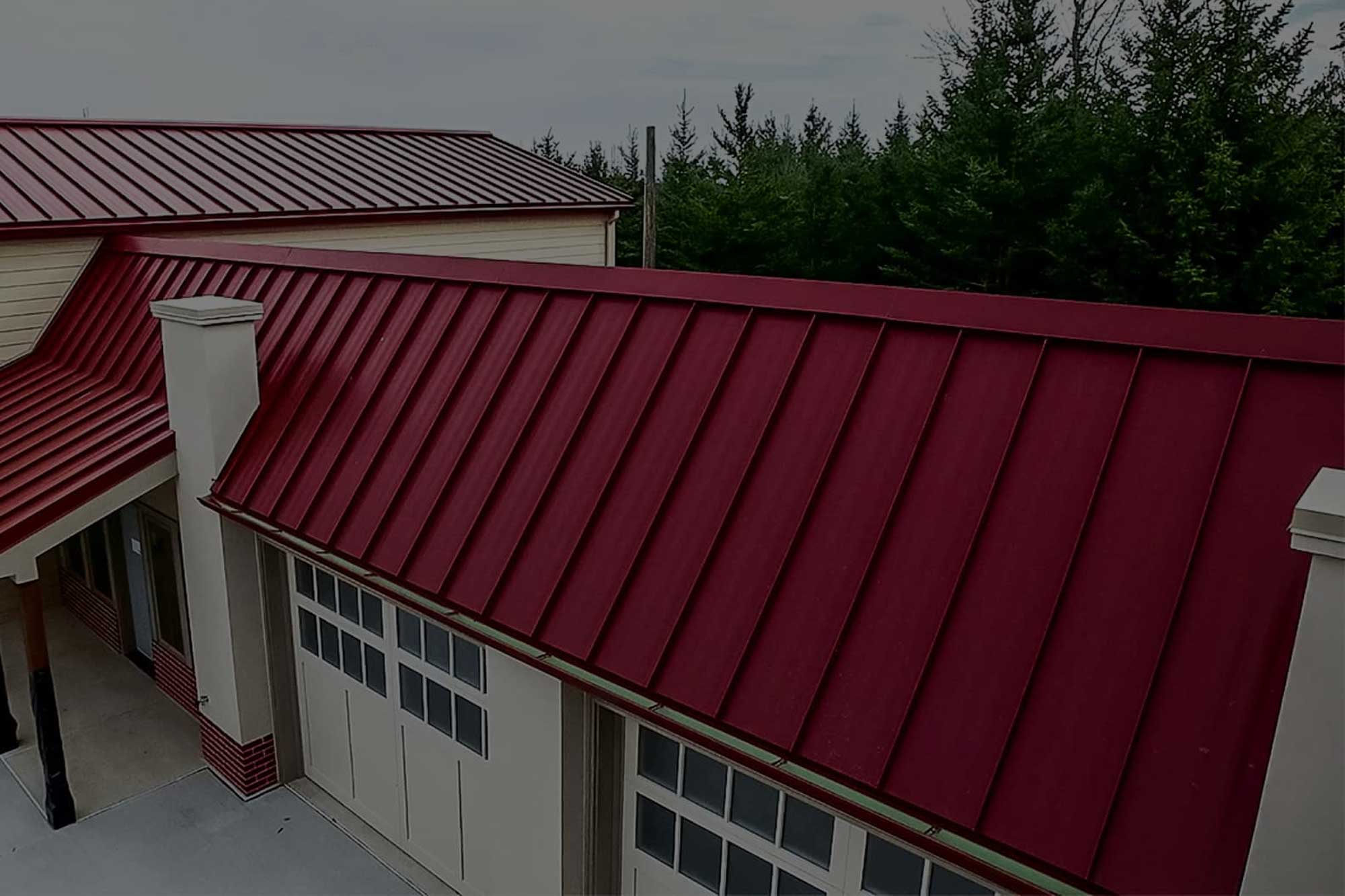
Alamo Roofing serves Lake County, Porter County & northern Illinois
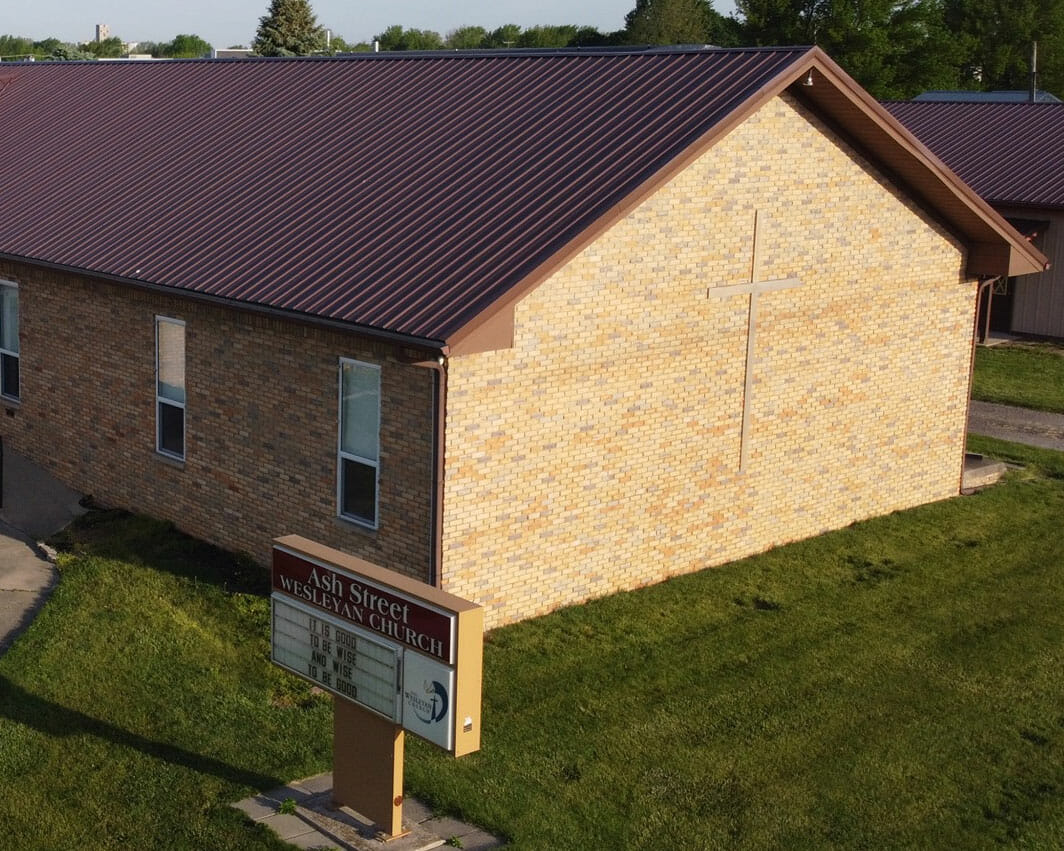
Quality materials and expert installation make the difference
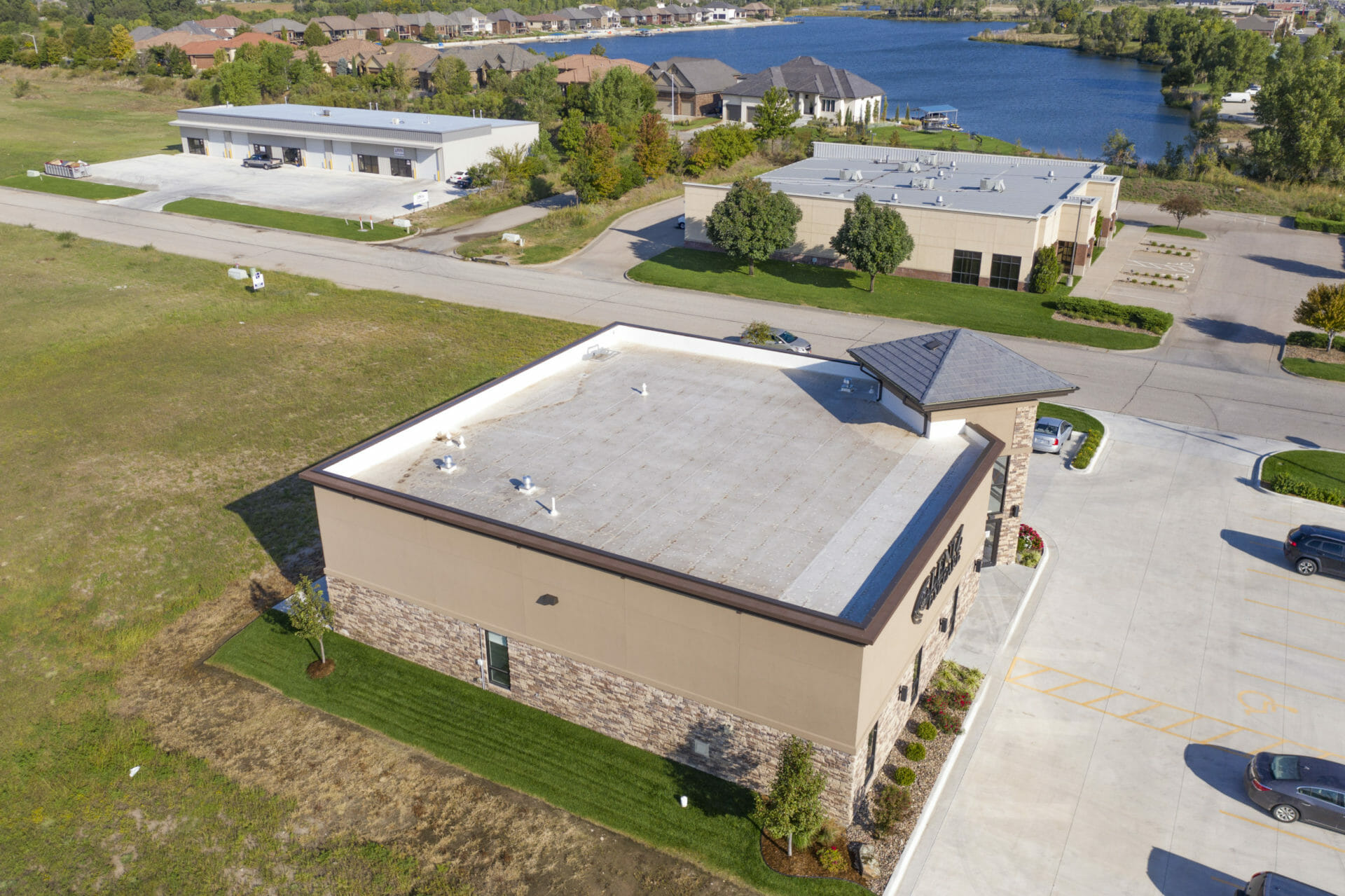
Professional inspection ensures no damage goes undetected
The 10 Components of a Thorough Commercial Inspection
1. Membrane surface condition assessment
The inspector walks the entire roof surface documenting:
– Surface cracking, alligatoring, or chalking
– Blistering or bubbling (indicating trapped moisture or gas below the membrane)
– Punctures or cuts
– Surface erosion or wear patterns
– UV degradation indicators
2. Seam integrity testing
All field seams and perimeter seams are probed with a hand tool to check for separation, lifting, or weak bonds. This is the most critical component — seam failures are the #1 cause of commercial roof leaks.
On heat-welded TPO/PVC seams, inspectors check for proper weld width and bond integrity. On EPDM adhesive seams, they check for delamination and adhesive failure.
3. Penetration flashing inspection
Every roof penetration — HVAC curbs, pipe stacks, electrical conduits, drains, skylights — is inspected for:
– Flashing separation from curb or membrane
– Cracks or tears in flashing material
– Failed caulking at termination points
– Standing water around drain flashings
4. Edge and perimeter condition
Roof edges and termination bars are inspected for:
– Membrane lifting at perimeter
– Metal edge condition (rust, separation)
– Counter-flashing at parapet walls
– Coping cap condition on parapet walls
5. Drain inspection and flow testing
All interior drains and perimeter scuppers are:
– Cleared of debris
– Inspected for proper membrane connection
– Checked for adequate flow capacity
– Assessed for proper slope toward drain
If drains have standing water around them, the cause (obstruction vs. inadequate slope) is documented.
6. Ponding water assessment
Any areas of consistent ponding (water remaining 48+ hours after rain) are documented with dimensions. Ponding is categorized by severity and urgency.
7. Roof penetration equipment assessment
HVAC units, satellite mounts, and other roof-mounted equipment are checked for:
– Proper mounting and flashing
– Vibration damage to surrounding membrane
– Condensate drain condition
8. Parapet wall inspection
Parapet walls and their roofing connections are inspected for:
– Cracks in masonry
– Failed mortar joints
– Deteriorated counter-flashing
– Water infiltration signs on interior face
9. Moisture testing (when indicated)
When visual inspection suggests potential moisture below the membrane, non-destructive testing options include:
– Core sampling at suspect locations
– Infrared thermography (best performed in early morning or evening when temperature differential is highest)
10. Interior correlation
Where possible, interior ceiling inspection is correlated with exterior findings — water staining patterns help identify leak sources and track pathways.
What the Report Should Include
A professional commercial inspection report delivers:
- Photographs of every finding, with GPS location tags for larger roofs
- Condition rating (good/fair/poor) for each component
- Priority classification for findings (immediate/near-term/monitor)
- Estimated remaining service life
- Recommended action and estimated cost for each finding
- Overall roof condition summary
Alamo provides written commercial inspection reports for all Lake County and northern Illinois commercial properties. Call (219) 248-2194 to schedule.
Ready for Your Free Roof Inspection?
Call us at (219) 248-2194 or book online below.
Mon–Fri 9AM–5PM | Sat 9AM–3PM | 24/7 Emergency Storm Response
Schedule Your Free Roof Inspection
Get Your Free Roof Inspection
Free drone inspections across Lake County, Porter County & northern Illinois. Honest assessments — repair, replace, or no action needed.
Mon–Fri 9AM–5PM · Sat 9AM–3PM · 24/7 Emergency Storm Response
Schedule Your Free Roof Inspection

